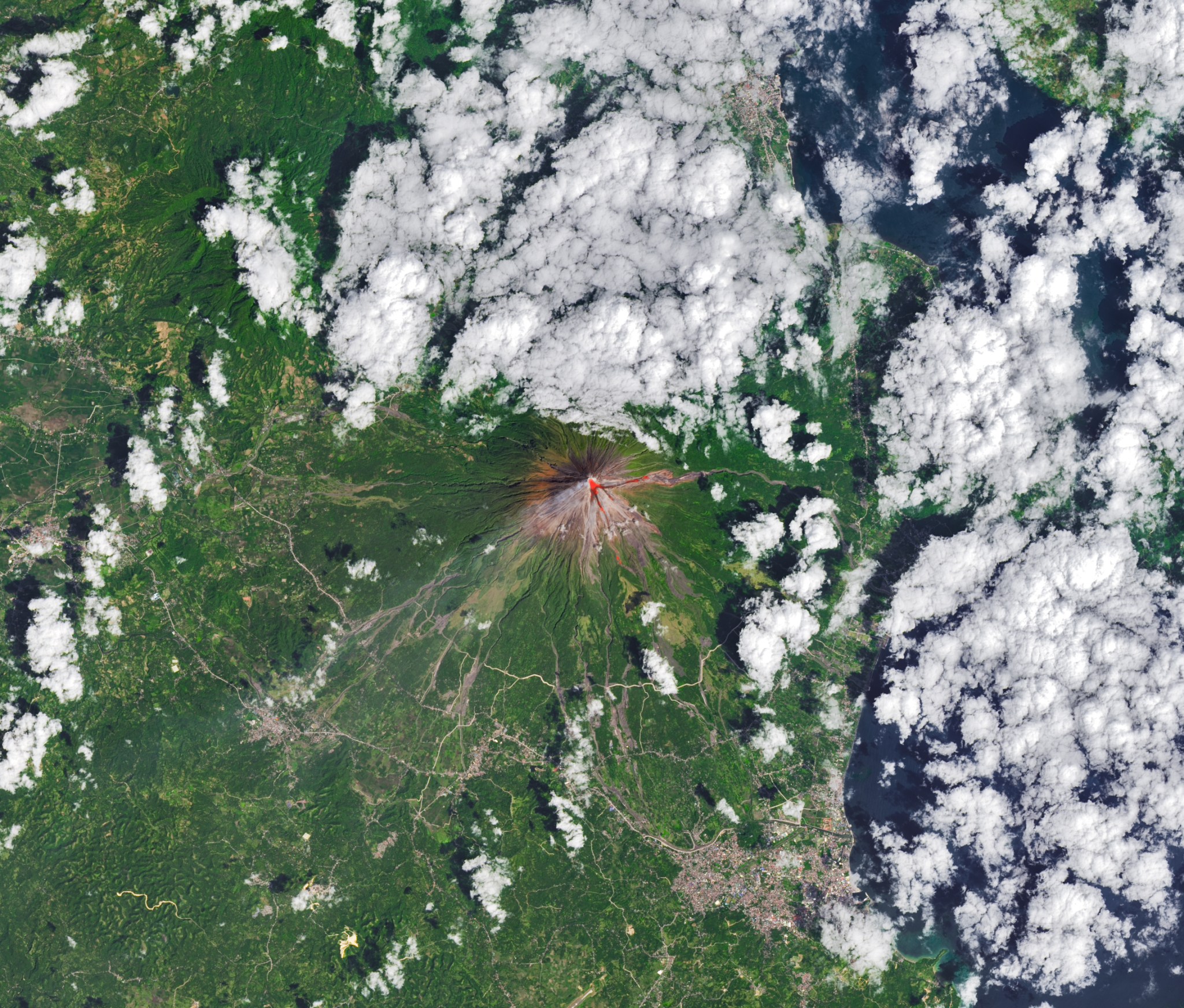
The OLI (Operational Land Imager) on Landsat 8 acquired this rare, relatively clear image of Mayon, the most active volcano in the Philippines, on Feb. 26, 2026. The natural-color scene is overlaid with infrared observations to highlight the lava’s heat signature. On that day, the Philippine Institute of Volcanology and Seismology (PHIVOLCS) reported volcanic earthquakes, rockfalls, and hot clouds of ash […]
The dust storm created travel complications and other issues for Texans.

Ireland is best known for its many greens, but the striking grays of the island’s Burren region also stand out in satellite images.
A new NASA satellite image has captured a rare view of an erupting volcano, revealing its bright red lava flow as seen from space.
…

The William T. Pecora Award is presented annually to individuals or teams using satellite or aerial remote sensing that make outstanding contributions toward understanding the Earth (land, oceans, and air), educating the next generation of scientists, informing decision-makers, or supporting natural or human-induced disaster response. Both national and international nominations are welcome.
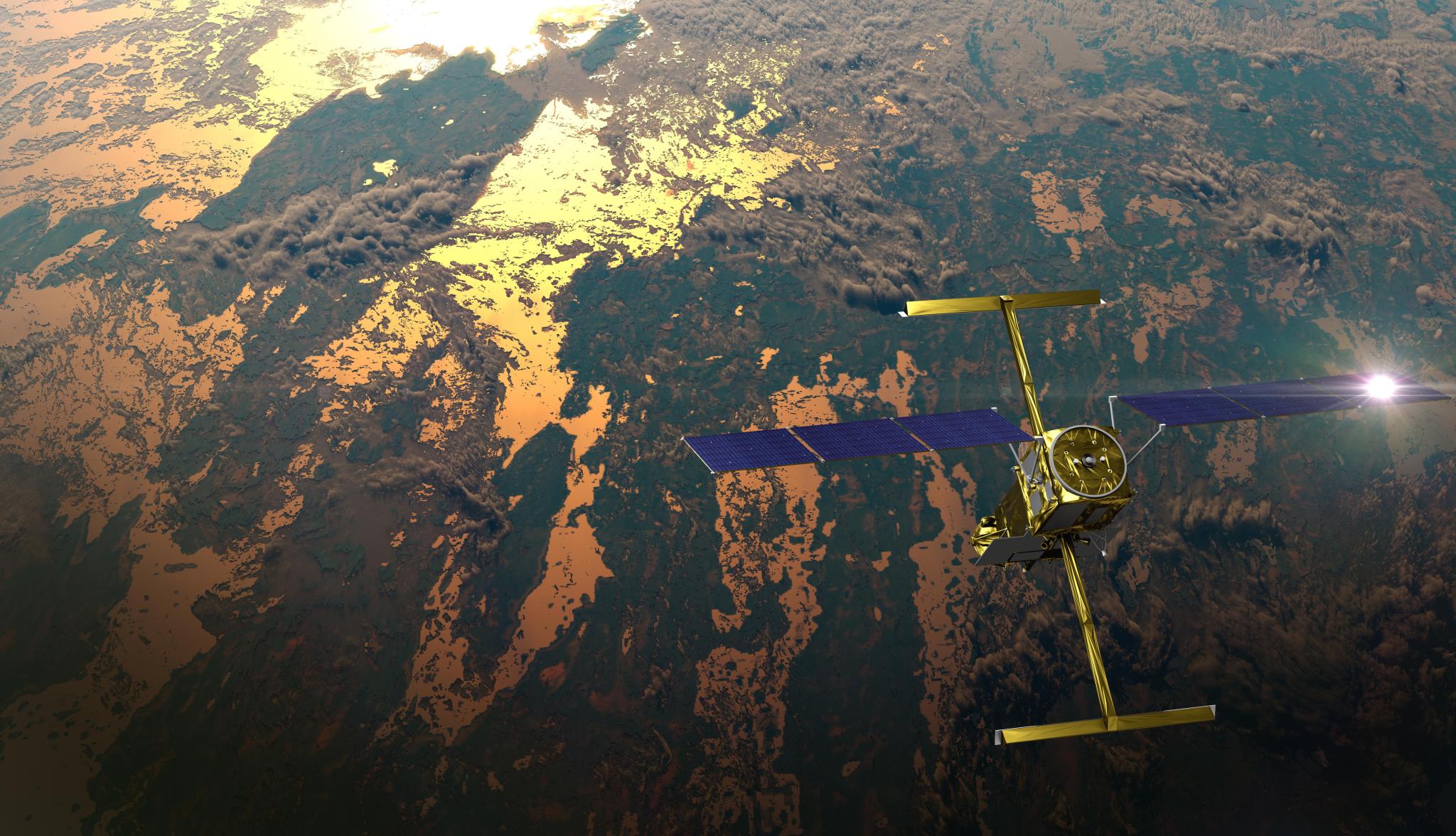
Rivers rise and fall throughout the year, but by how much? Perhaps less than previously thought, according to new data from the SWOT mission. Hidden riverbed contours are also emerging. In a first, a space mission led by NASA and France has tracked Earth’s rivers swelling and shrinking from month to month over the course […]
There are only a few known fields of tektites in the entire world, and scientists just found another in Brazil.
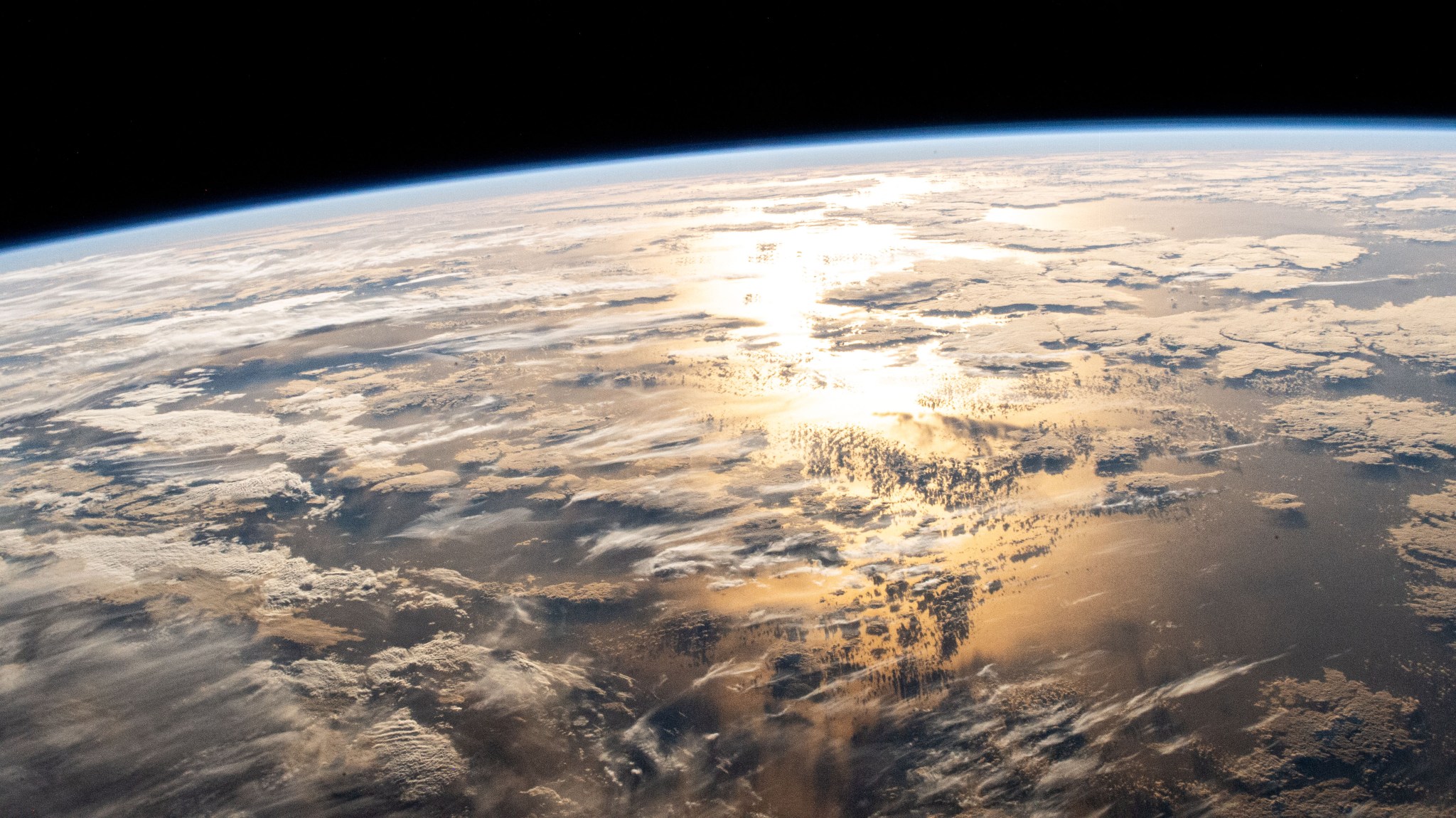
Sunlight beams off a partly cloudy Atlantic Ocean just after sunrise as the International Space Station orbited 263 miles above on March 5, 2025. This is an example of sunglint, an optical phenomenon that occurs when sunlight reflects off the surface of water at the same angle that a satellite sensor views it. The result is […]
Iron isotopes show that salty seawater pockets beneath the ice were as cold as −15°C.
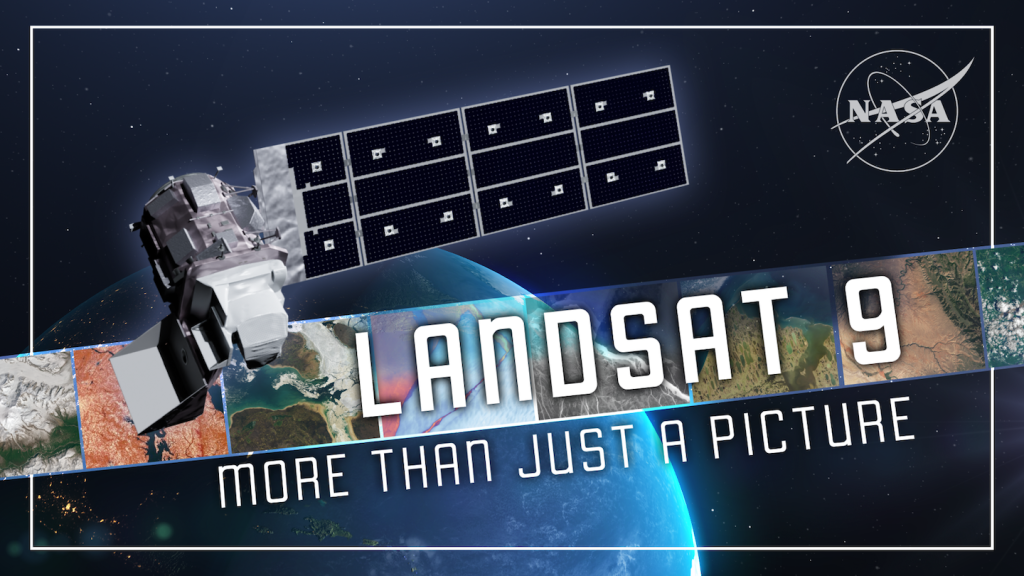
For over 50 years, the Landsat program has provided the longest continuous satellite record of Earth’s land surface from space. Landsat 9, launched in 2021, is the latest mission in this remarkable legacy.