
Marshy, sandy terrain and an impassable inlet helped colonial forces repel British forces during a pivotal battle on the barrier island near Charleston, South Carolina, on June 28, 1776.
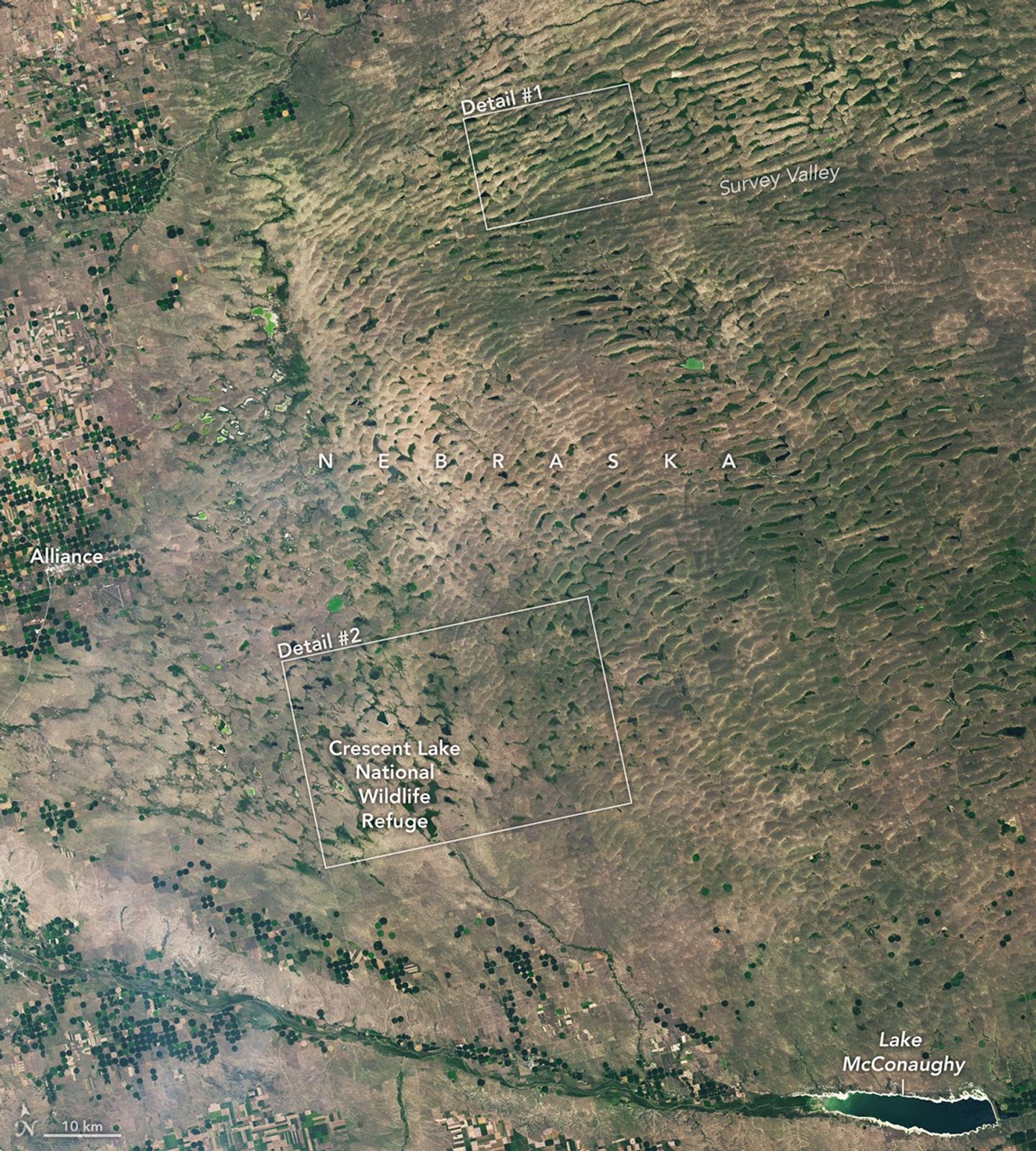
The Nebraska Sandhills—the largest system of sand dunes in the Western Hemisphere—stretch across about one-quarter of the state.

Buoyant volcanic rock fragments from an underwater eruption drifted across the Bismarck Sea and choked island coasts.
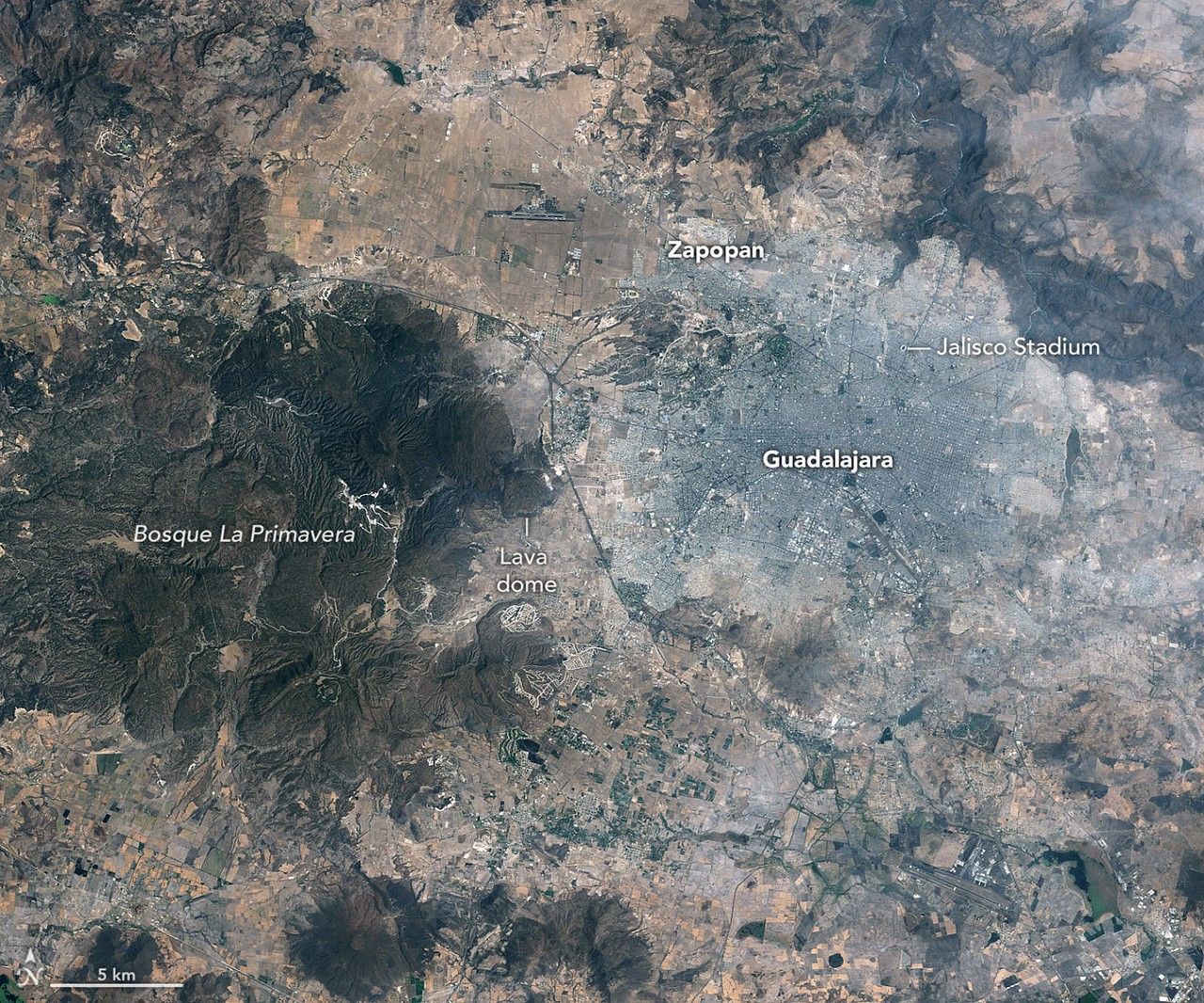
The city’s metro area has pushed westward since it last hosted World Cup matches in 1986, expanding across a landscape shaped by ancient volcanoes.
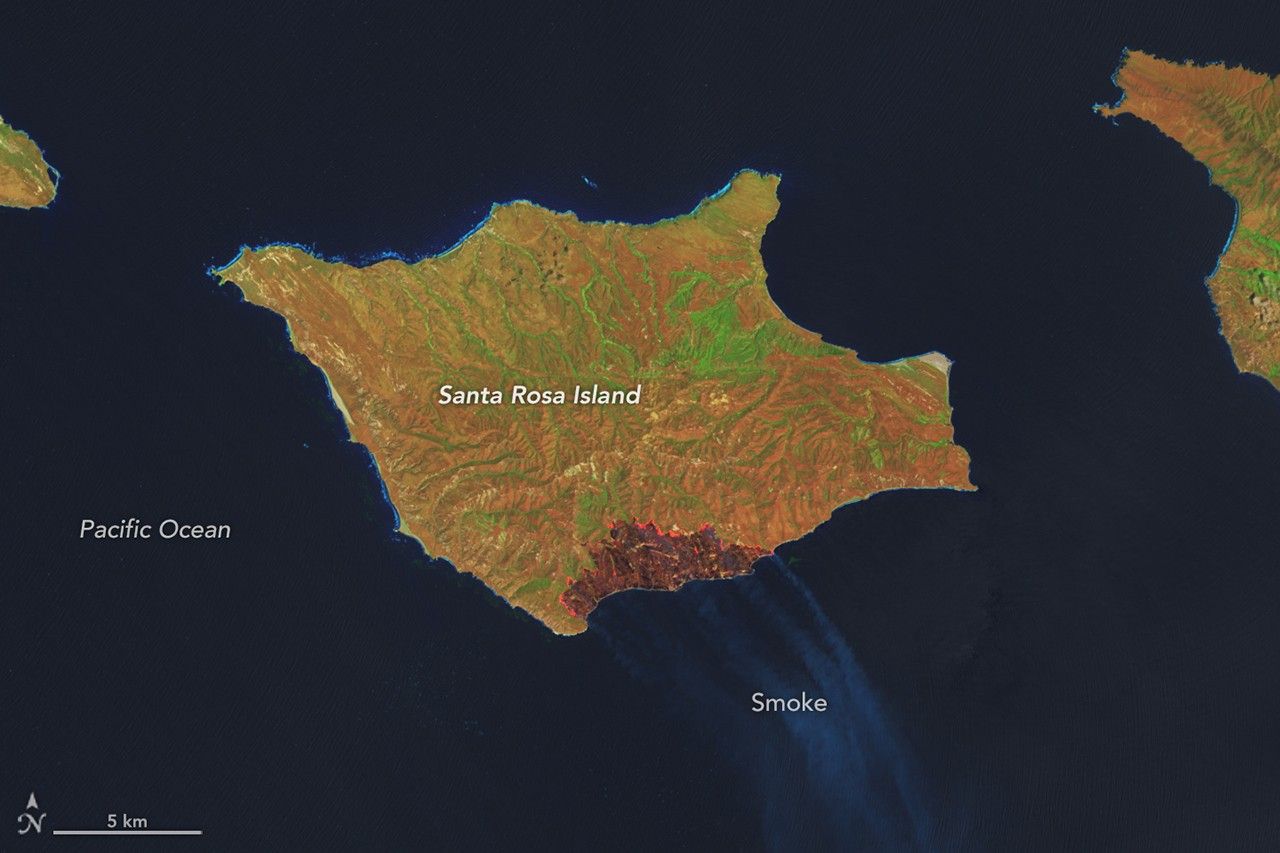
A wildland fire charred grassland, coastal sage scrub, and chaparral across one-third of the island, the second largest of the Channel Islands.

Wild disturbances are on the rise, while land disturbed by human activity has been decreasing.

The strongest of several twisters to touch down in the southern part of the state in early May 2026 left a visible path of damaged vegetation.

Icy, isolated Peter I Island stirred up a show in the atmosphere off the West Antarctic coast.

From a geothermal hotspot to the one-time “Lighthouse of the Pacific,” the heat is on beneath the volcanic landscape of western El Salvador.

Scientists relied on satellite data to understand how the Antarctic glacier lost so much ice so rapidly.