Humanity made some halting steps toward flight over the centuries, but our species was still firmly rooted on the ground when the United States of America was born on July 4, 1776.
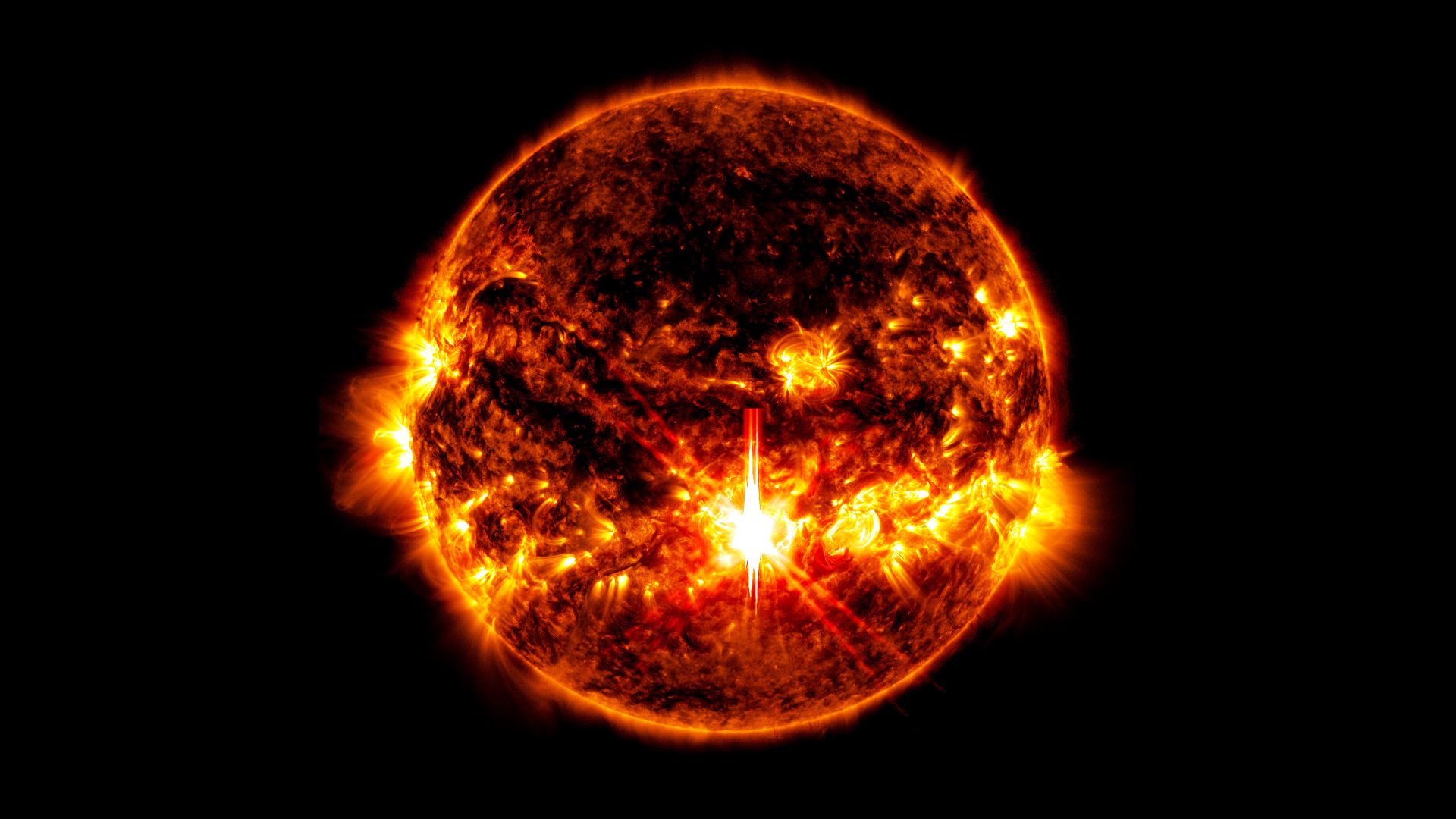
Celebrating America’s 250th birthday, Space.com looks back at what our understanding of space was like in 1776 and what major developments occurred to change our thinking.
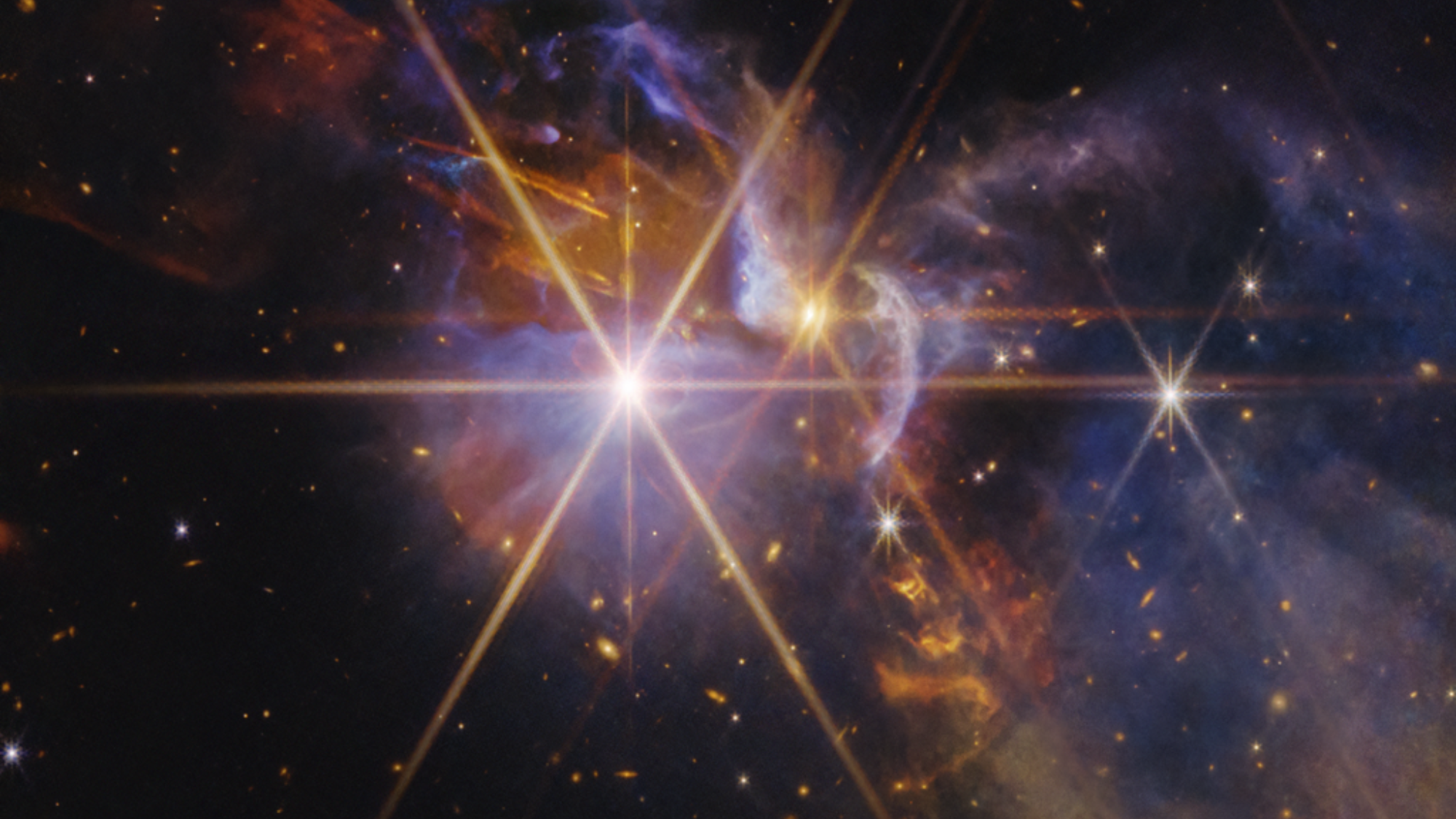
Infant stars celebrate their independence with cosmic fireworks in a stunning new image from the James Webb Space Telescope.
“It’s like using a time machine to peer into the distant future of our solar system.”
Astronomers discovered a planet 25 light-years away that orbits within the habitable zone of its star that could potentially support liquid water and possibly life.
The moon over America’s first Independence Day was about 31 feet closer to Earth than it is today. Here’s how colonists used it as a clock, calendar and streetlight — and what astronomers knew about it.
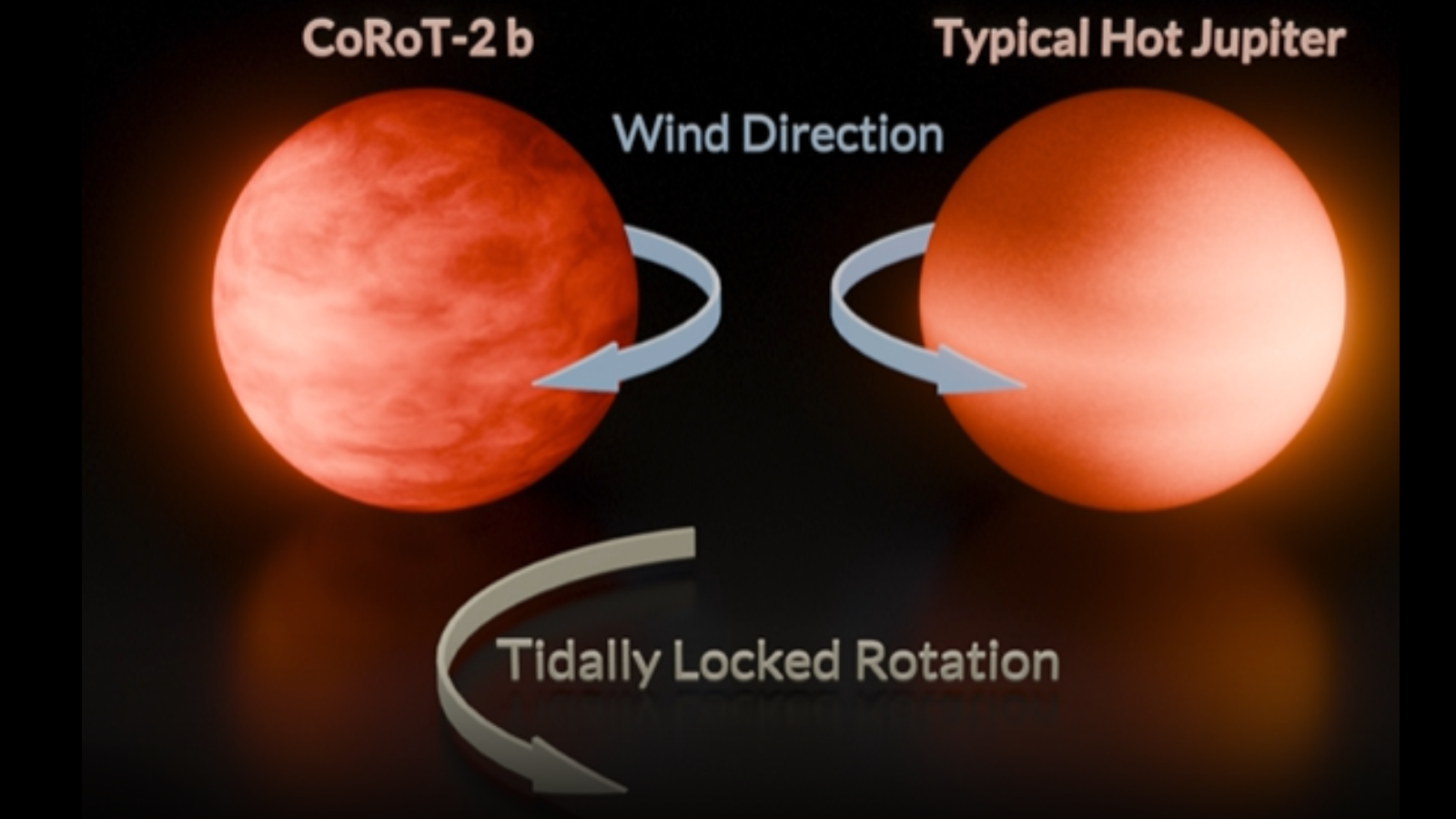
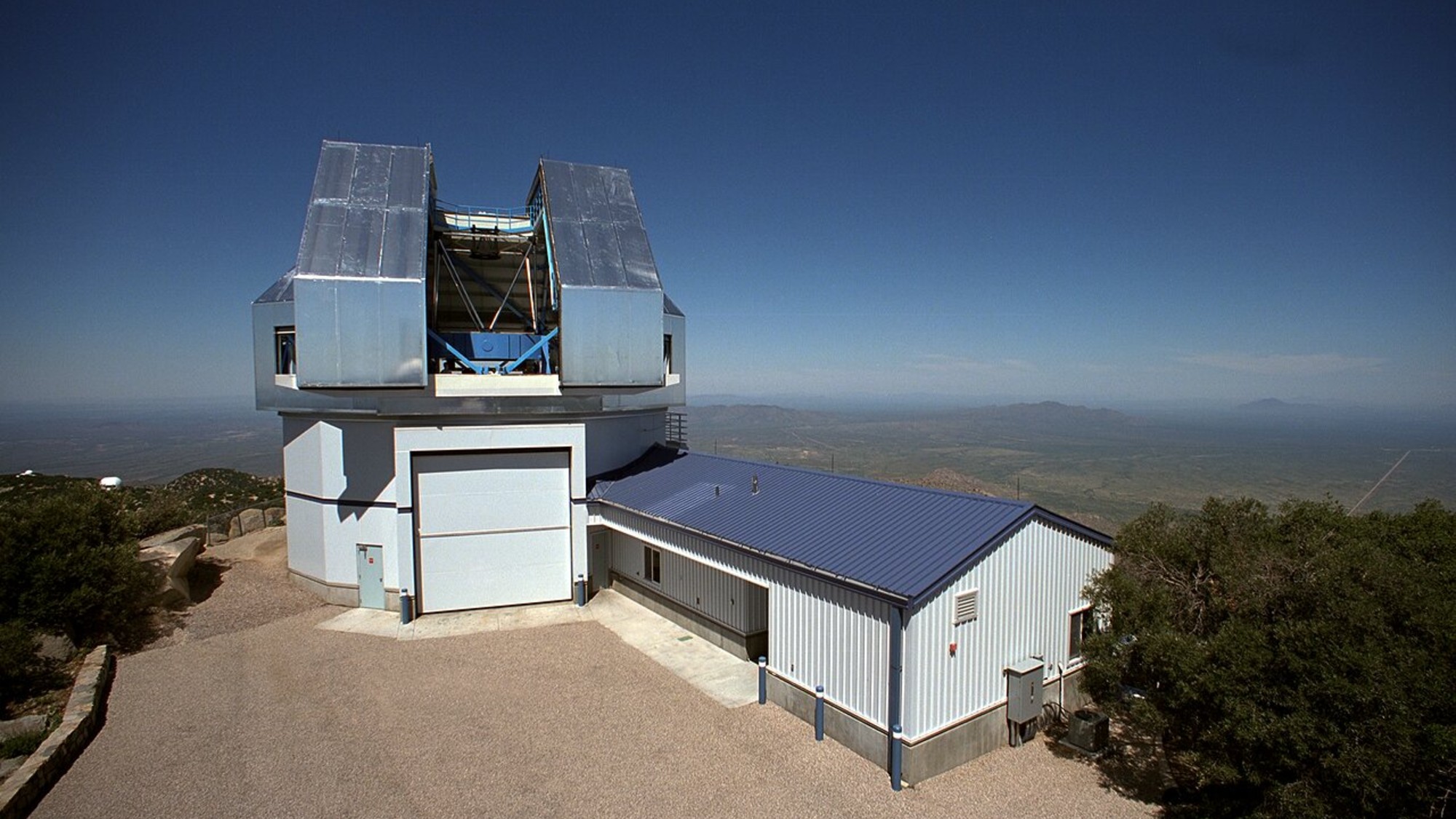
Astronomers have discovered a curious new exoplanet that challenges assumptions about hot Jupiters, some of the most extreme planets in the universe.
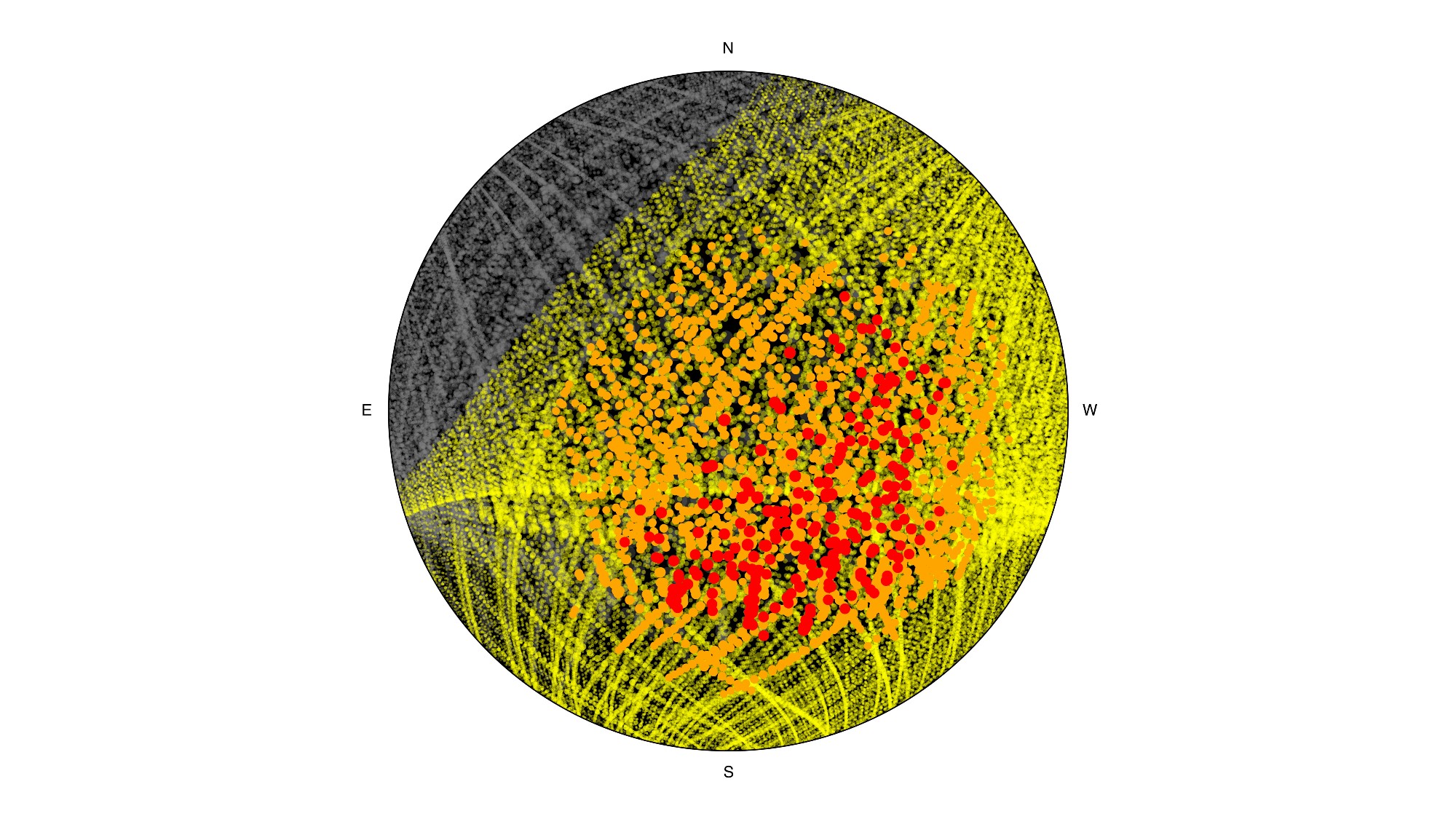
If the number of satellites in Earth’s orbit exceeds 100,000, humanity may lose its ability to study the universe from the planet’s surface. Some companies want to put millions into space.
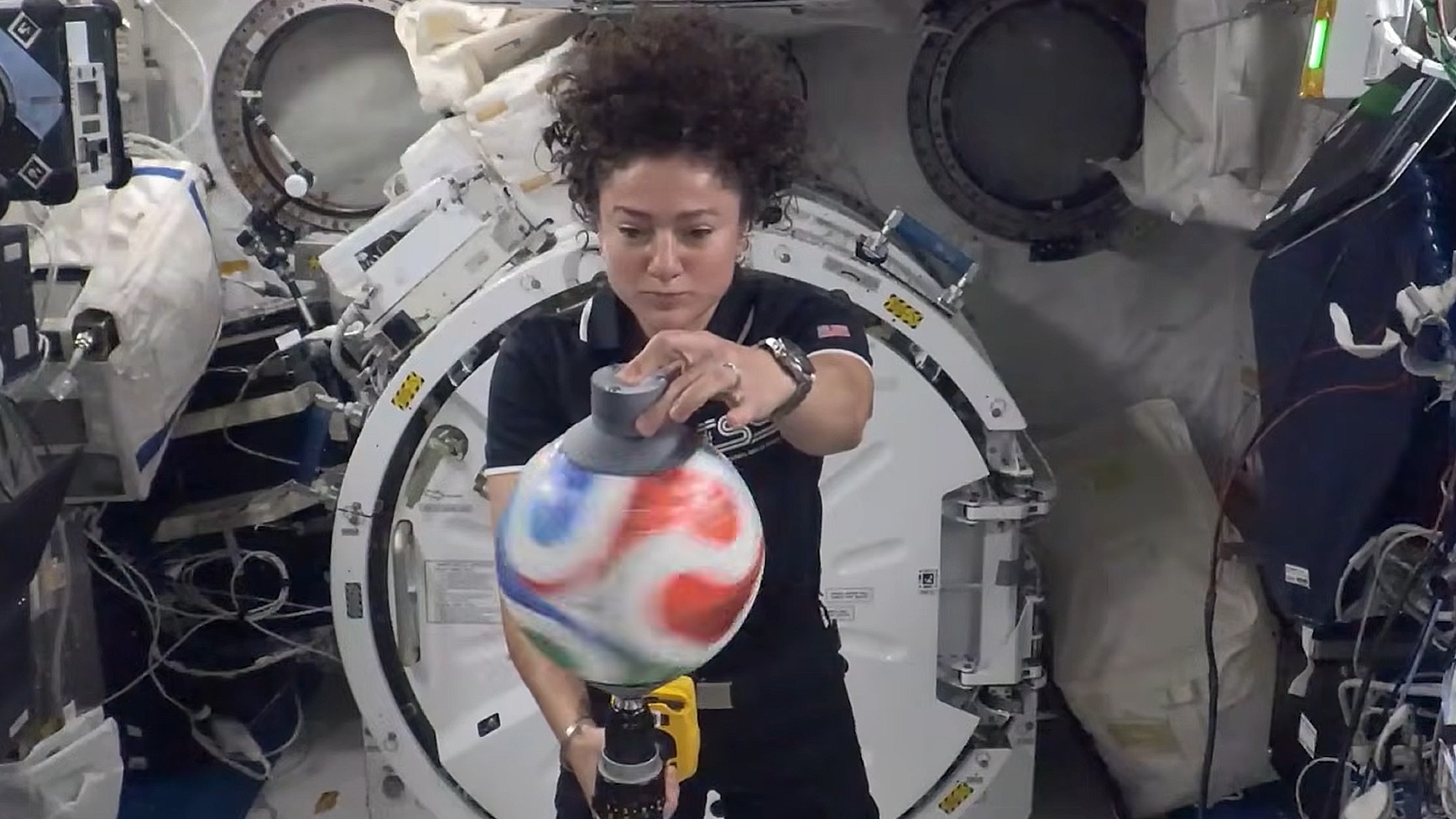
NASA will send a soccer ball to the moon if the United States wins the FIFA World Cup, agency chief Jared Isaacman said on Tuesday (June 30).
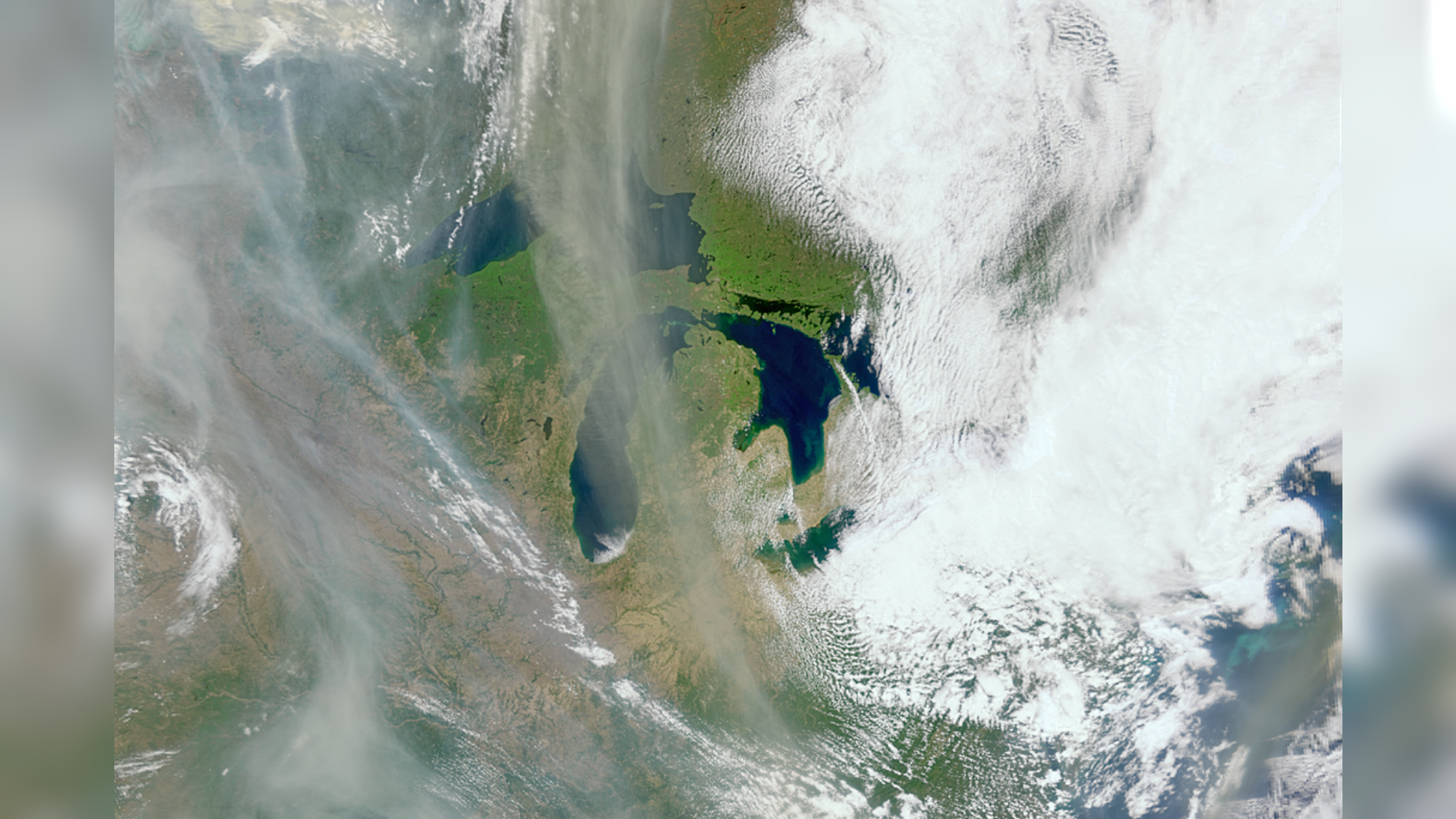
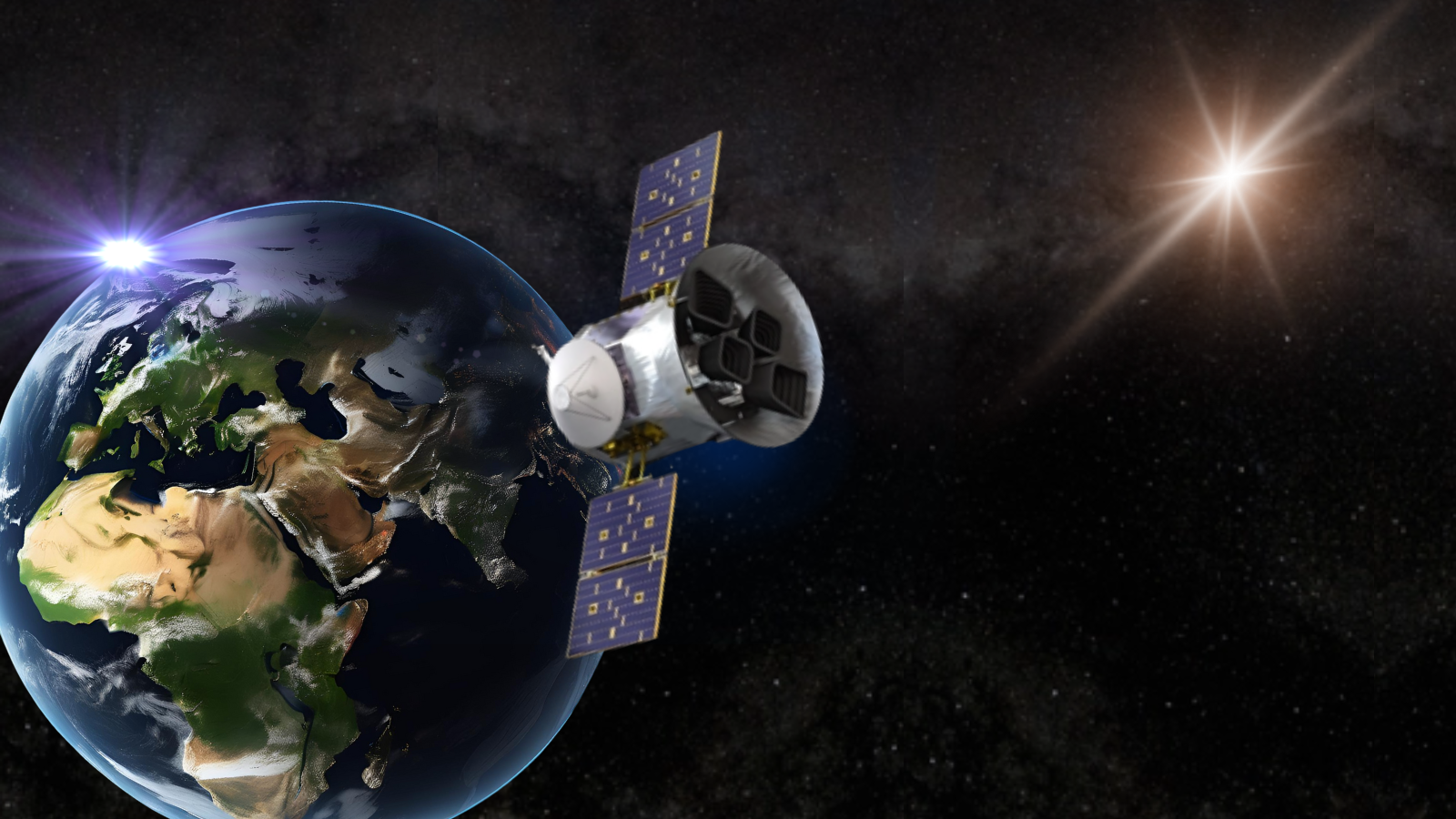
A NASA satellite has found an unintended, important purpose.