The moon over America’s first Independence Day was about 31 feet closer to Earth than it is today. Here’s how colonists used it as a clock, calendar and streetlight — and what astronomers knew about it.
The moon over America’s first Independence Day was about 31 feet closer to Earth than it is today. Here’s how colonists used it as a clock, calendar and streetlight — and what astronomers knew about it.
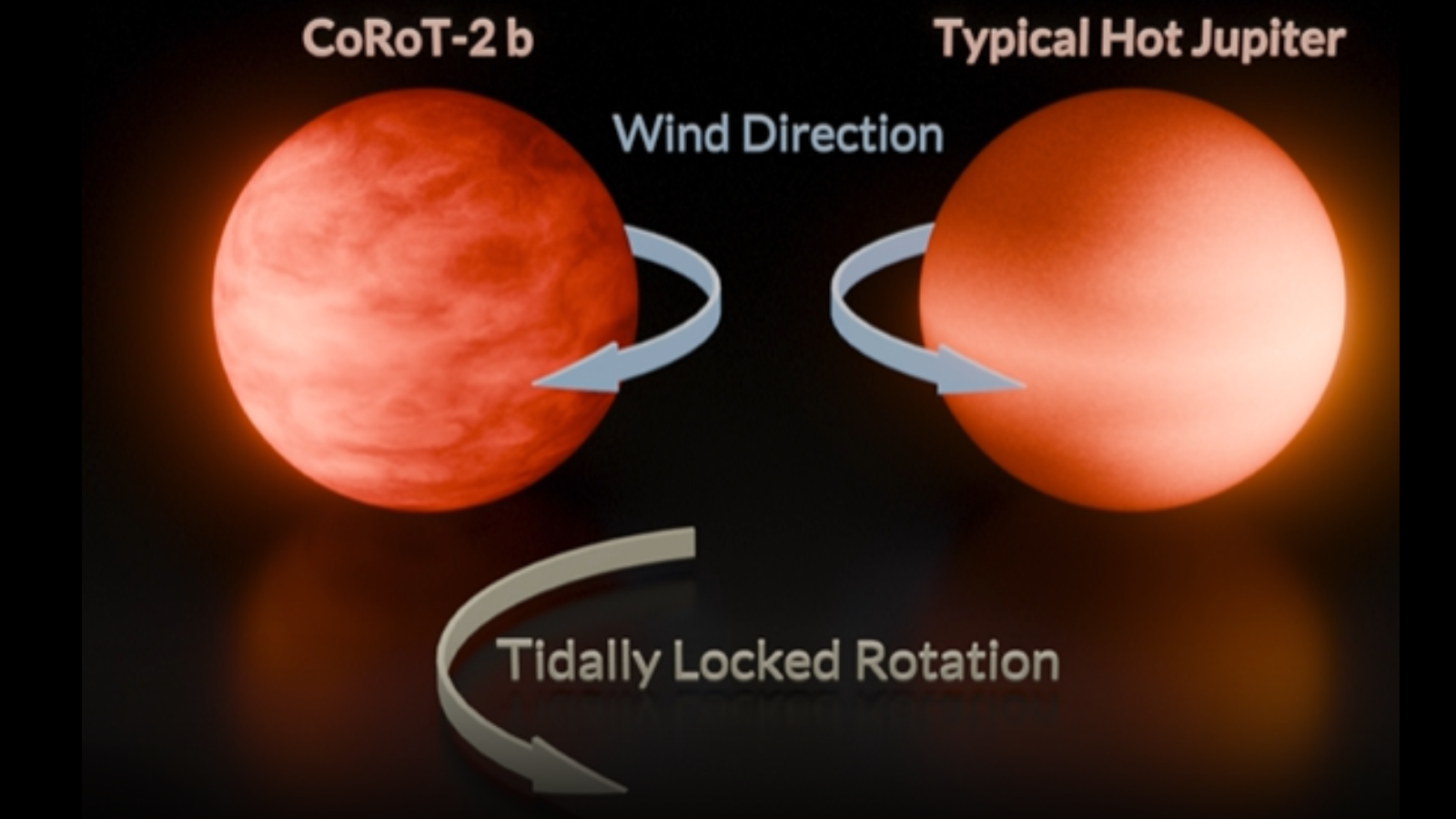
Astronomers have discovered a curious new exoplanet that challenges assumptions about hot Jupiters, some of the most extreme planets in the universe.
Astronomers have discovered a curious new exoplanet that challenges assumptions about hot Jupiters, some of the most extreme planets in the universe.
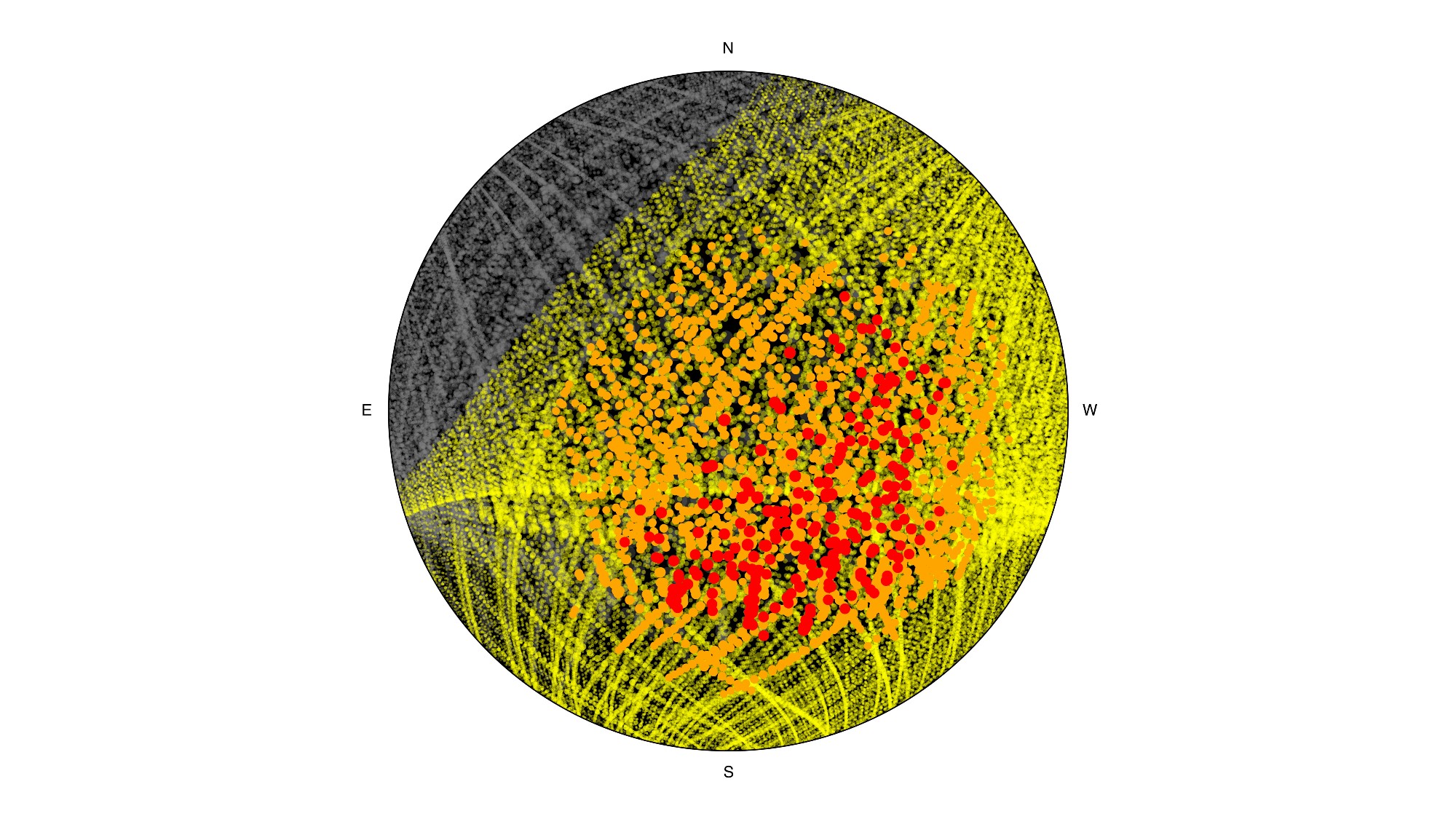
If the number of satellites in Earth’s orbit exceeds 100,000, humanity may lose its ability to study the universe from the planet’s surface. Some companies want to put millions into space.
If the number of satellites in Earth’s orbit exceeds 100,000, humanity may lose its ability to study the universe from the planet’s surface. Some companies want to put millions into space.
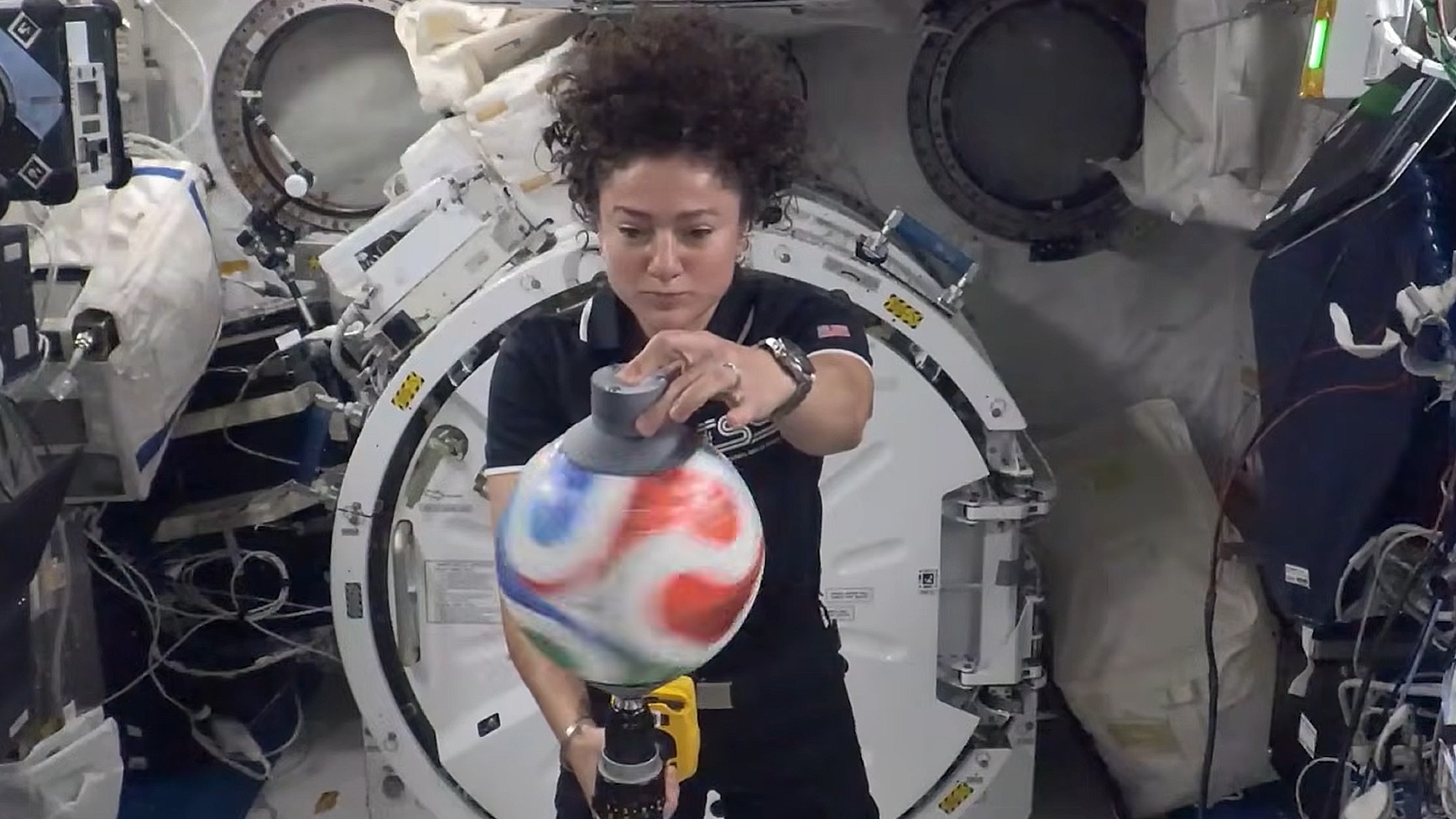
NASA will send a soccer ball to the moon if the United States wins the FIFA World Cup, agency chief Jared Isaacman said on Tuesday (June 30).
NASA will send a soccer ball to the moon if the United States wins the FIFA World Cup, agency chief Jared Isaacman said on Tuesday (June 30).
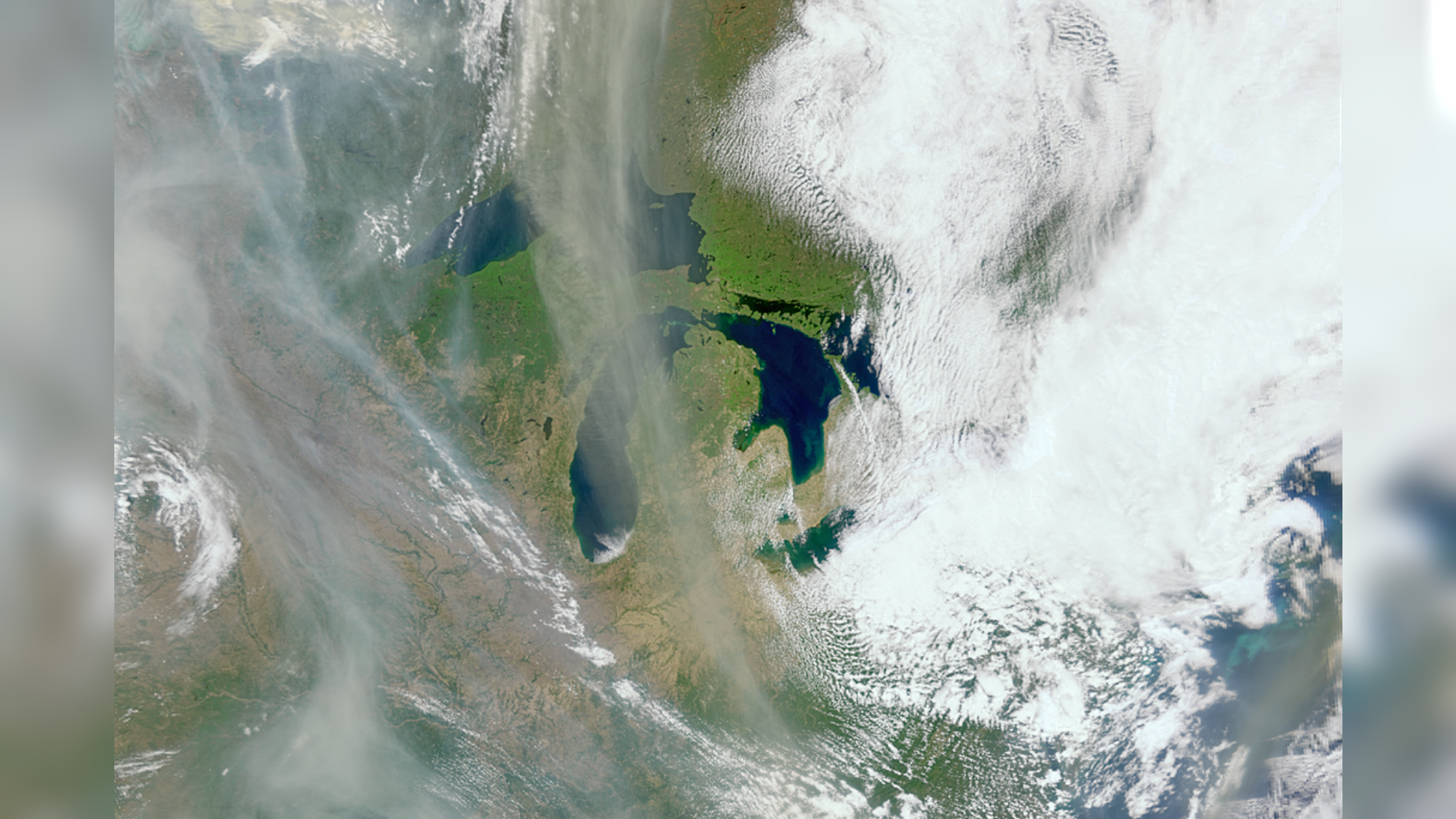
A NASA satellite has found an unintended, important purpose.
A NASA satellite has found an unintended, important purpose.