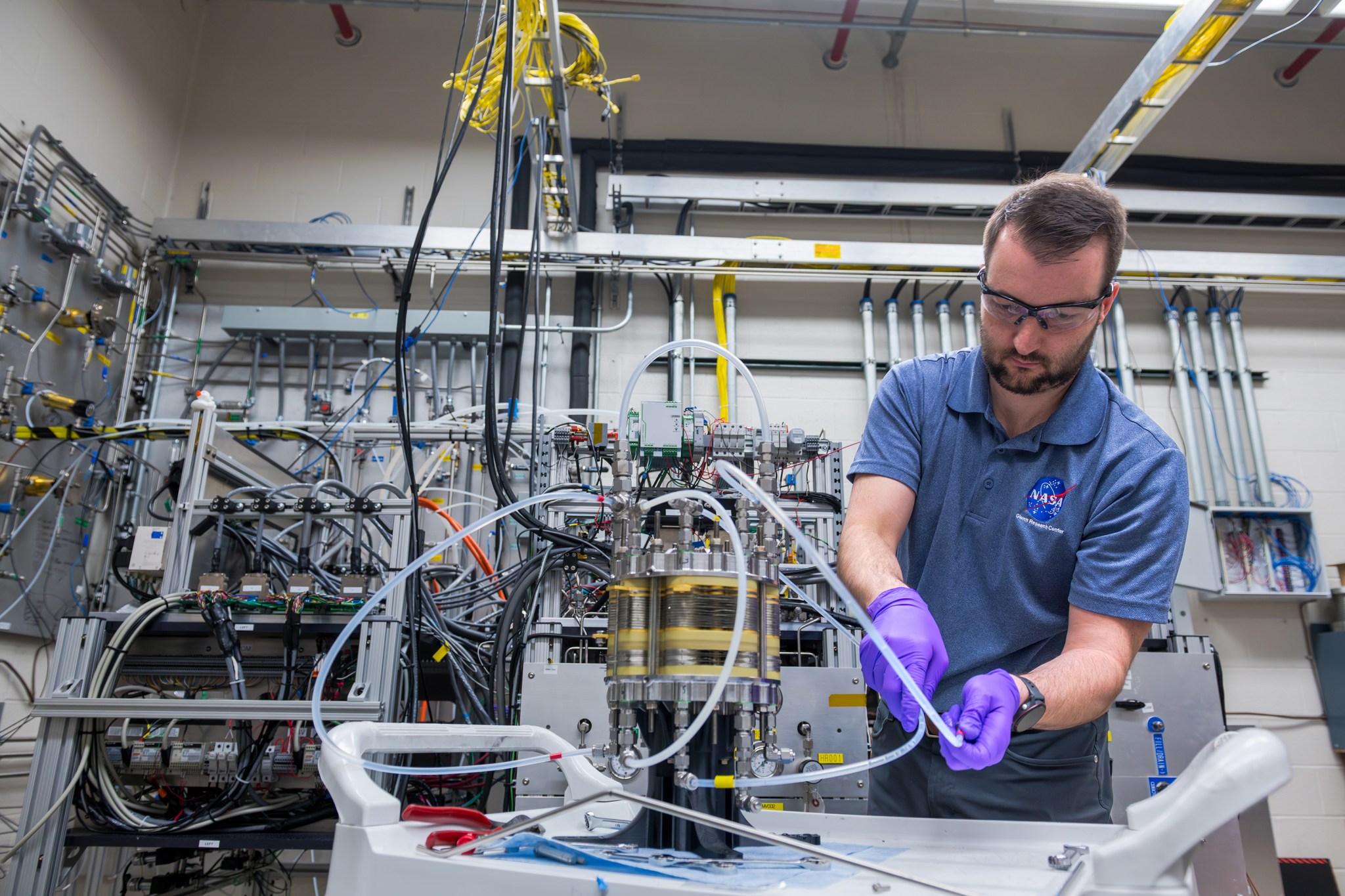
With a small blue crane, four researchers hoist a cylindrical fuel cell, which looks like a stack of flattened silver and gold soda cans bundled together, into the air and lower it into a rectangular cart on wheels. A tangle of tubes and wires spiral away from the system, where nearly 270 sensors and 1,000 […]
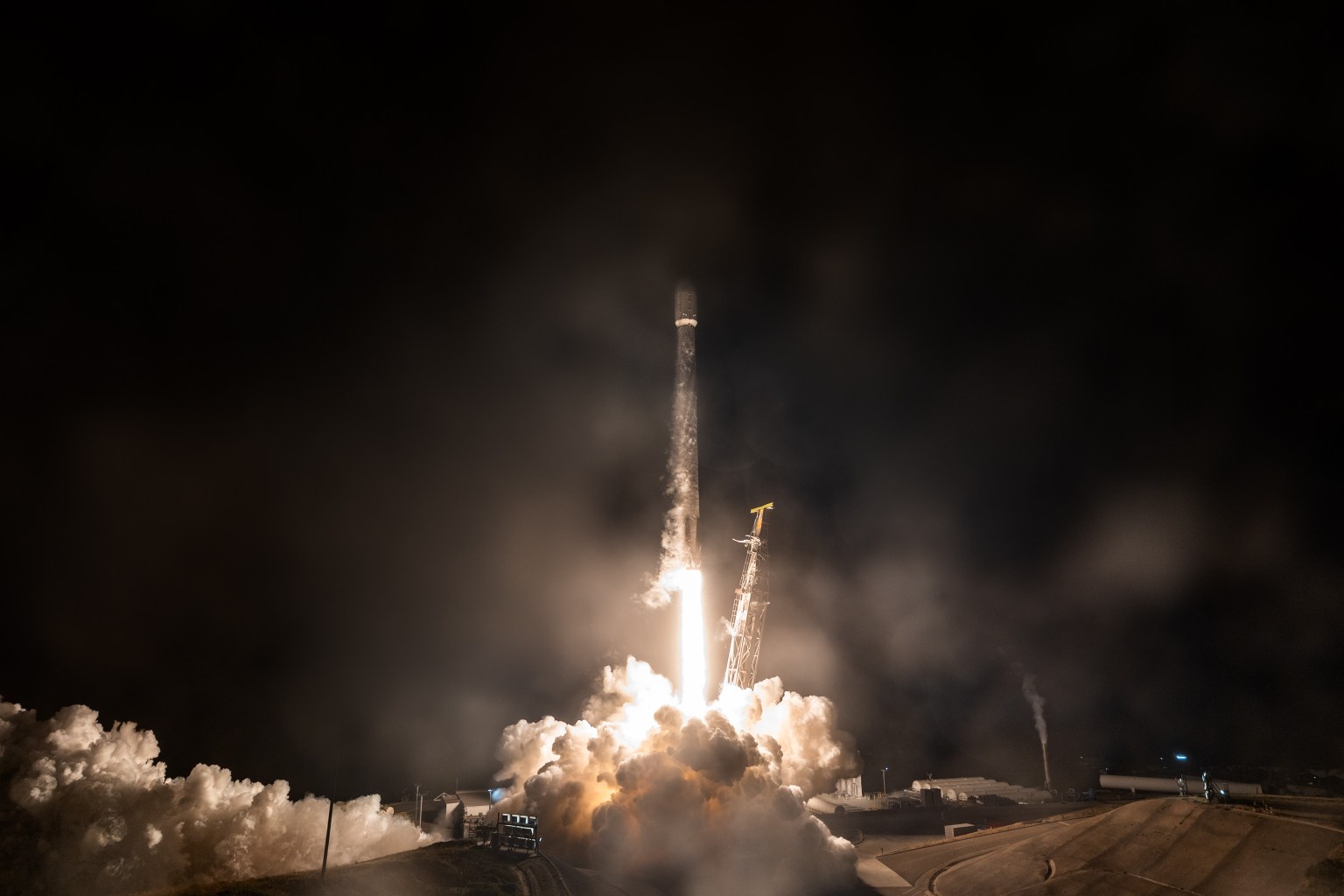
Through NASA, a university-designed small spacecraft is paving the way to studying particles, known as neutrinos, that move through the universe at near-light speeds. The Solar Neutrino Astro-Particle PhYsics CubeSat, known as SNAPPY, launched at 12 a.m. PDT on Sunday aboard a SpaceX Falcon 9 rocket from Space Launch Complex 4 East at Vandenberg Space […]
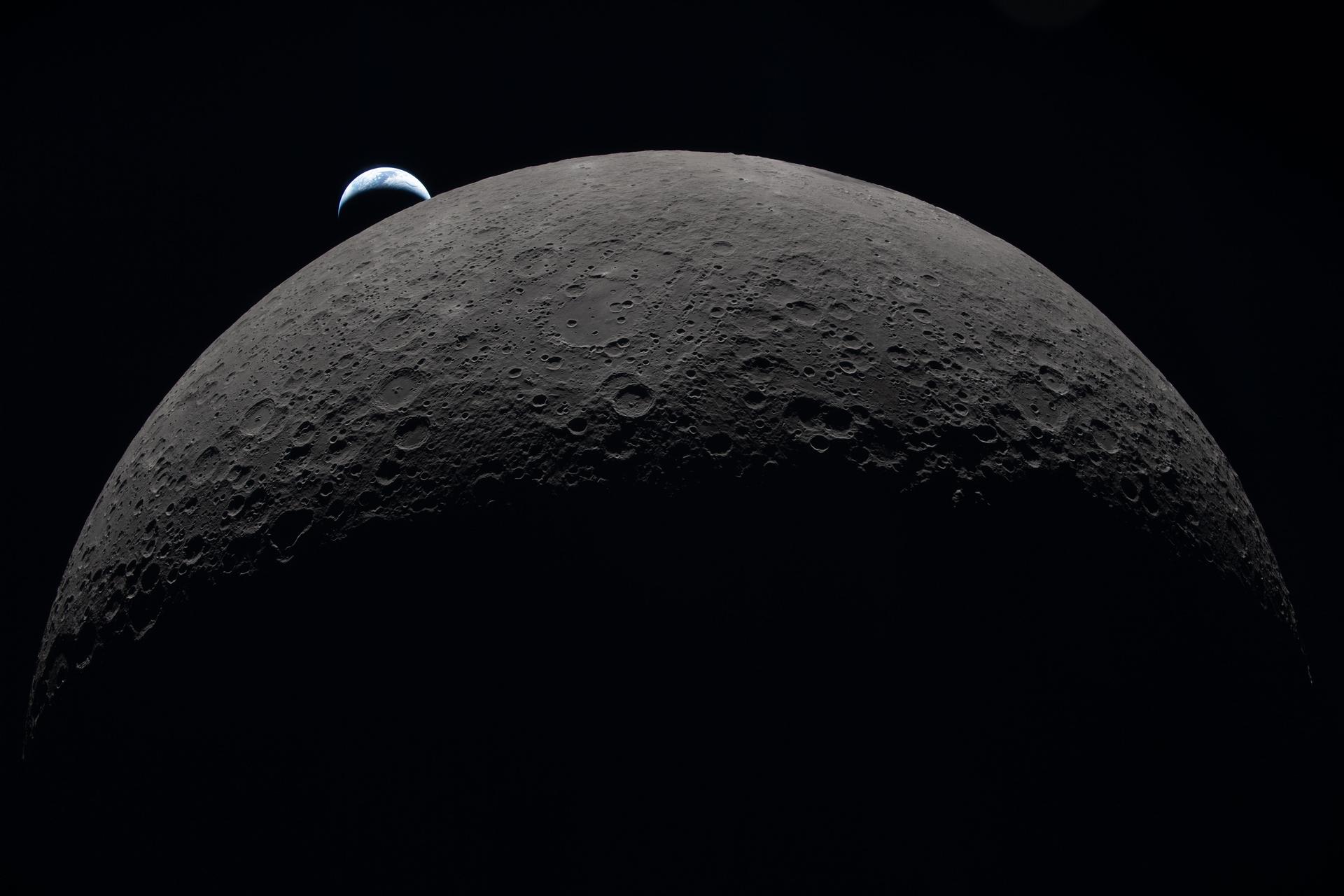
To support long-duration missions to the Moon and Mars, NASA and industry are developing technologies that can extract resources such as hydrogen and helium-3 from lunar soil, known as regolith. This capability, known as in-situ resource utilization (ISRU), allows explorers to use what is already available on other planetary bodies, from water ice to minerals. […]
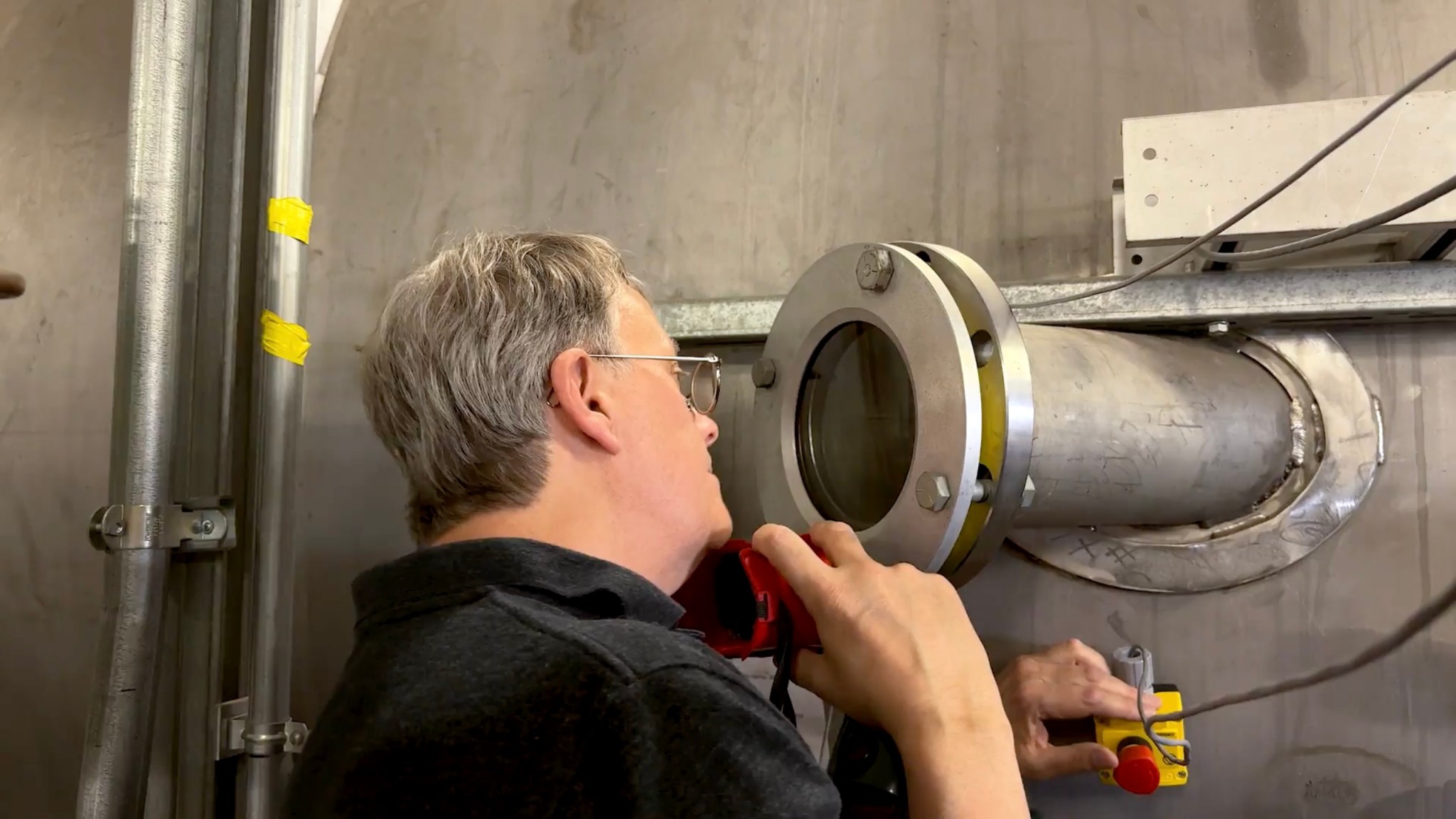
A technology that could propel crewed missions to Mars and robotic spacecraft throughout the solar system was recently put to the test at NASA’s Jet Propulsion Laboratory in Southern California. On Feb. 24, for the first time in years and at power levels exceeding any previous test in the United States, a team fired up […]
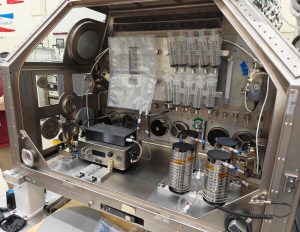
For years, NASA engineers have turned to a tool called the Launch, Ascent, and Vehicle Aerodynamics (LAVA) framework to solve airflow challenges that could mean the difference between mission success or failure. When engineers need to know how a spacecraft will navigate re-entry or whether a new aircraft wing design will create enough lift, they […]
Continuing NASA’s longtime support of American industry, the agency announced its selection of more than 30 companies to develop innovative technology through its Small Business Innovation Research (SBIR) and Small Business Technology Transfer (STTR) program. With these awards, NASA is investing approximately $16.3 million in seed funding of technology solutions to benefit the agency and energize the space economy.
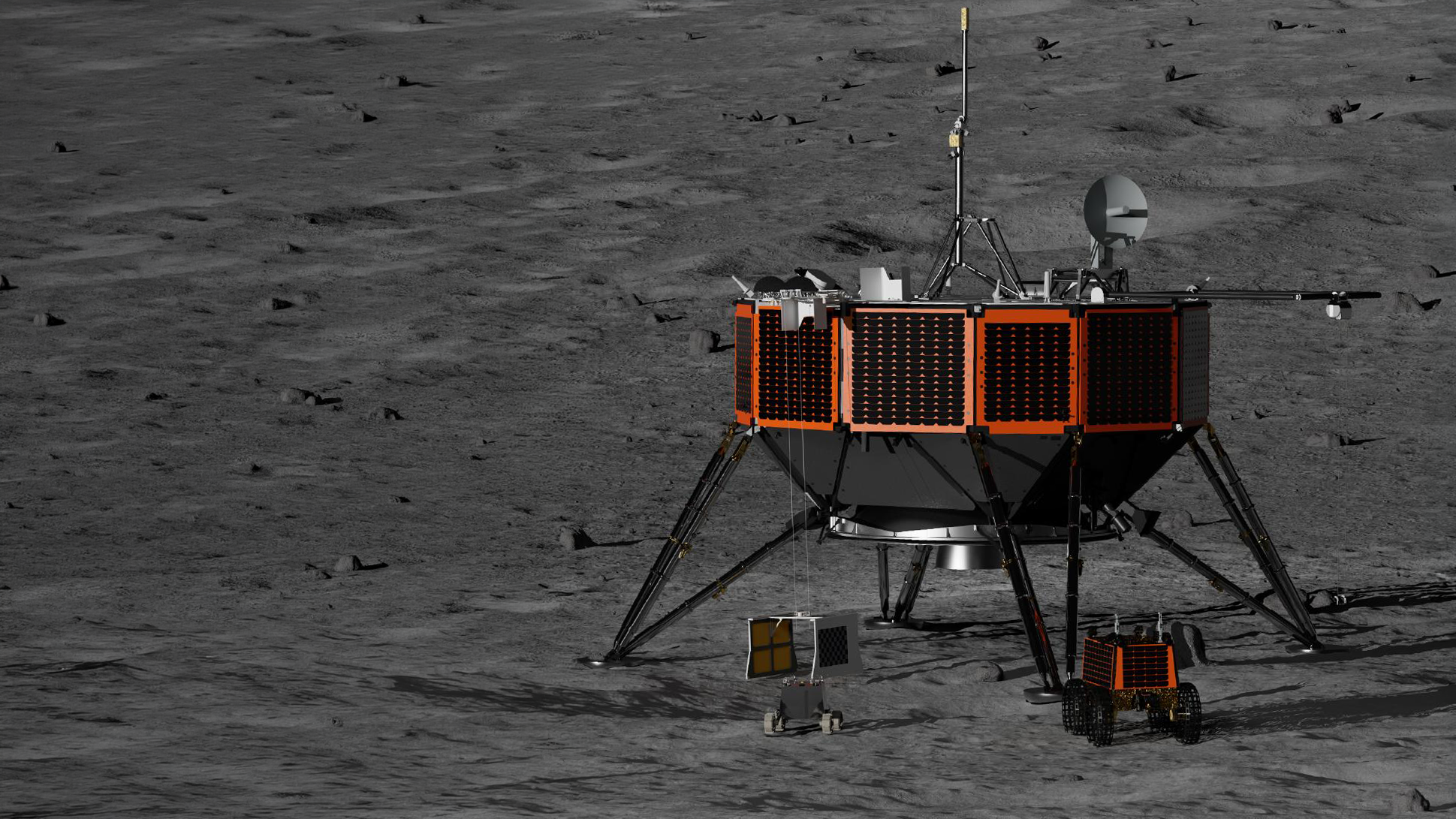
NASA has awarded Intuitive Machines of Houston, $180.4 million to deliver NASA-funded science and technology to the lunar surface as part of the agency’s CLPS (Commercial Lunar Payload Services) initiative and Artemis program. This lunar delivery, which includes seven payloads — five of them NASA’s — is expected to increase understanding of the chemical composition […]
Technology and science demonstrations, supported by various NASA industry collaborations and agency developments, are set to launch to low Earth orbit aboard a SpaceX Falcon 9 rocket as part of the company’s Transporter-16 commercial rideshare mission. These demonstrations will test thermal protection systems, advance in-space communications, deepen our understanding of Earth’s atmosphere, and foster capabilities […]
As NASA seeks to understand the mysteries of the universe, the agency is advancing technologies to locate and explore Earth-like planets far beyond our solar system. A key element of this research involves observing reflected light from exoplanets, which can reveal indicators of Earth-like features such as water and oxygen. However, detecting this faint reflected […]
NASA selected 14 university teams from across the nation as finalists in the 2026 Revolutionary Aerospace Systems Concepts – Academic Linkage (RASC-AL) Competition. This NASA challenge tasks students to design innovative concepts that could further human life and work on the Moon, Mars, and beyond. The competition links academia and the aerospace community, fostering innovation, […]