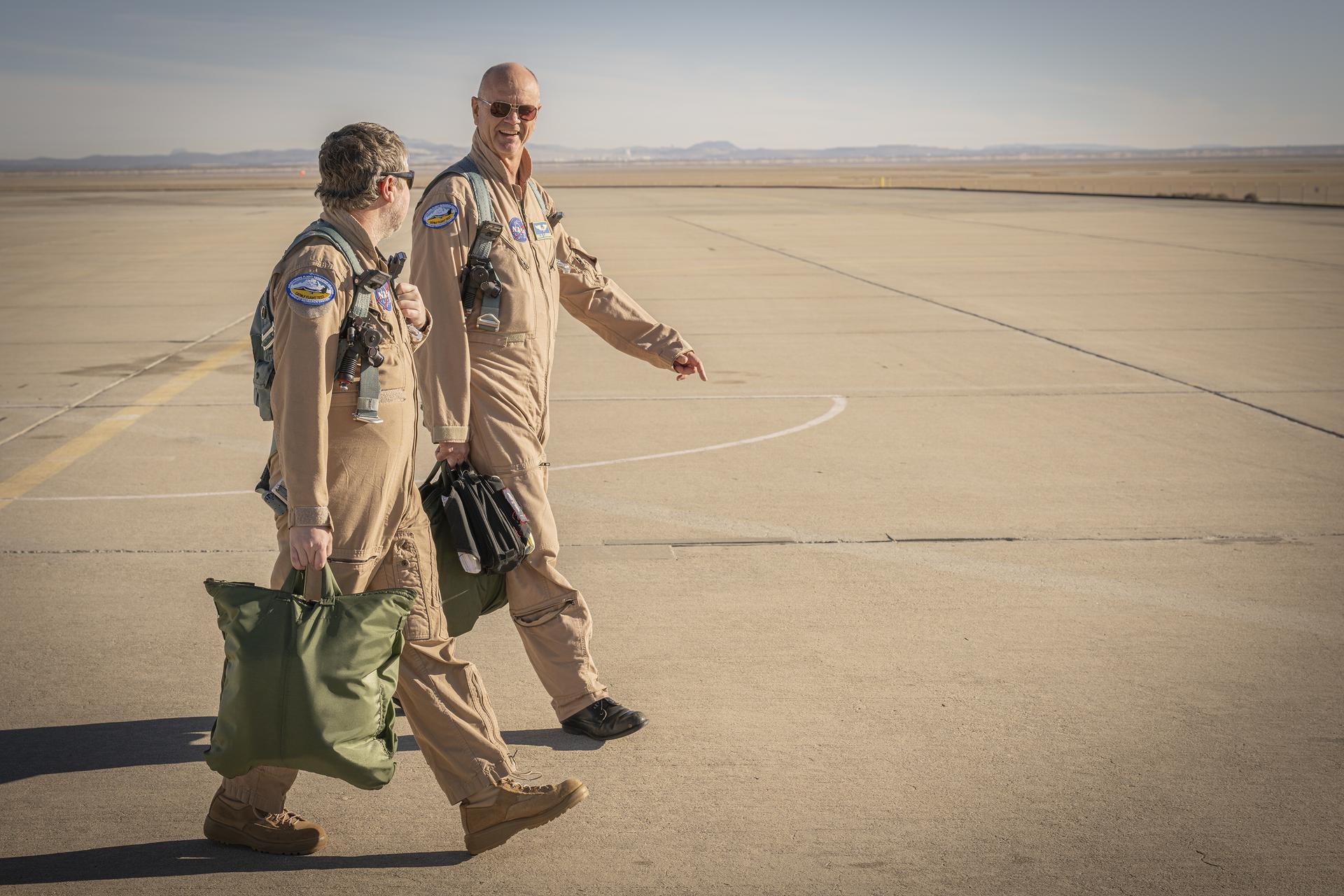
Flight testing is a team sport. For nearly 80 years, teams at NASA’s Armstrong Flight Research Center in Edwards, California, have used flight testing to push the limits of aerodynamics and advance aviation. Earlier this year, NASA’s Crossflow Attenuated Natural Laminar Flow (CATNLF) initiative tested a wing concept that would maximize the smooth flow of […]
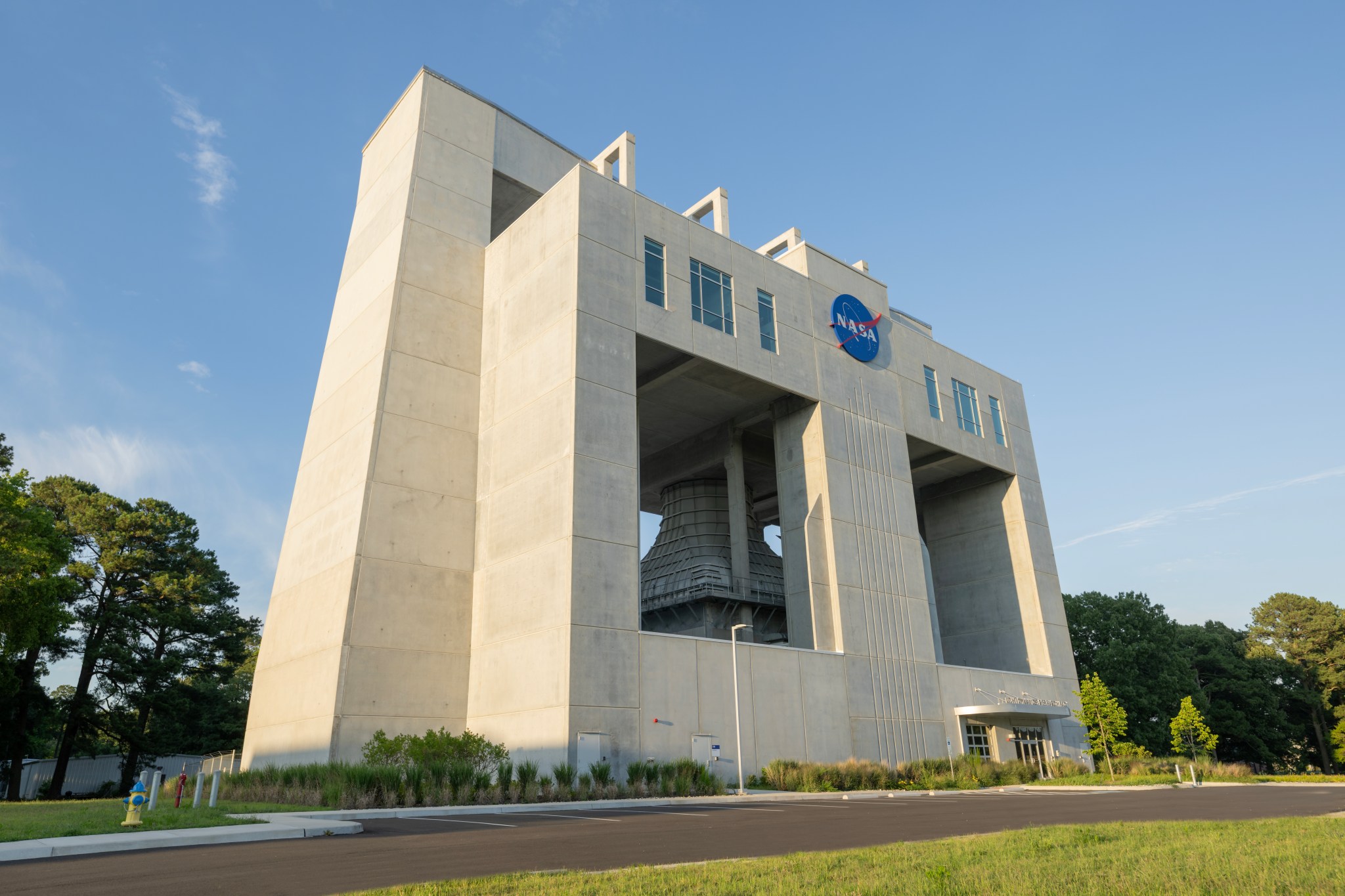
For more than 100 years, wind tunnels at NASA’s Langley Research Center in Hampton, Virginia, have helped shape the future of flight. Now, two of NASA’s longest-serving facilities — the 12-Foot Low-Speed Tunnel and the 20-Foot Vertical Spin Tunnel — will pass the torch to the Flight Dynamics Research Facility (FDRF), the first major NASA wind tunnel built in more than 40 years. “The FDRF […]
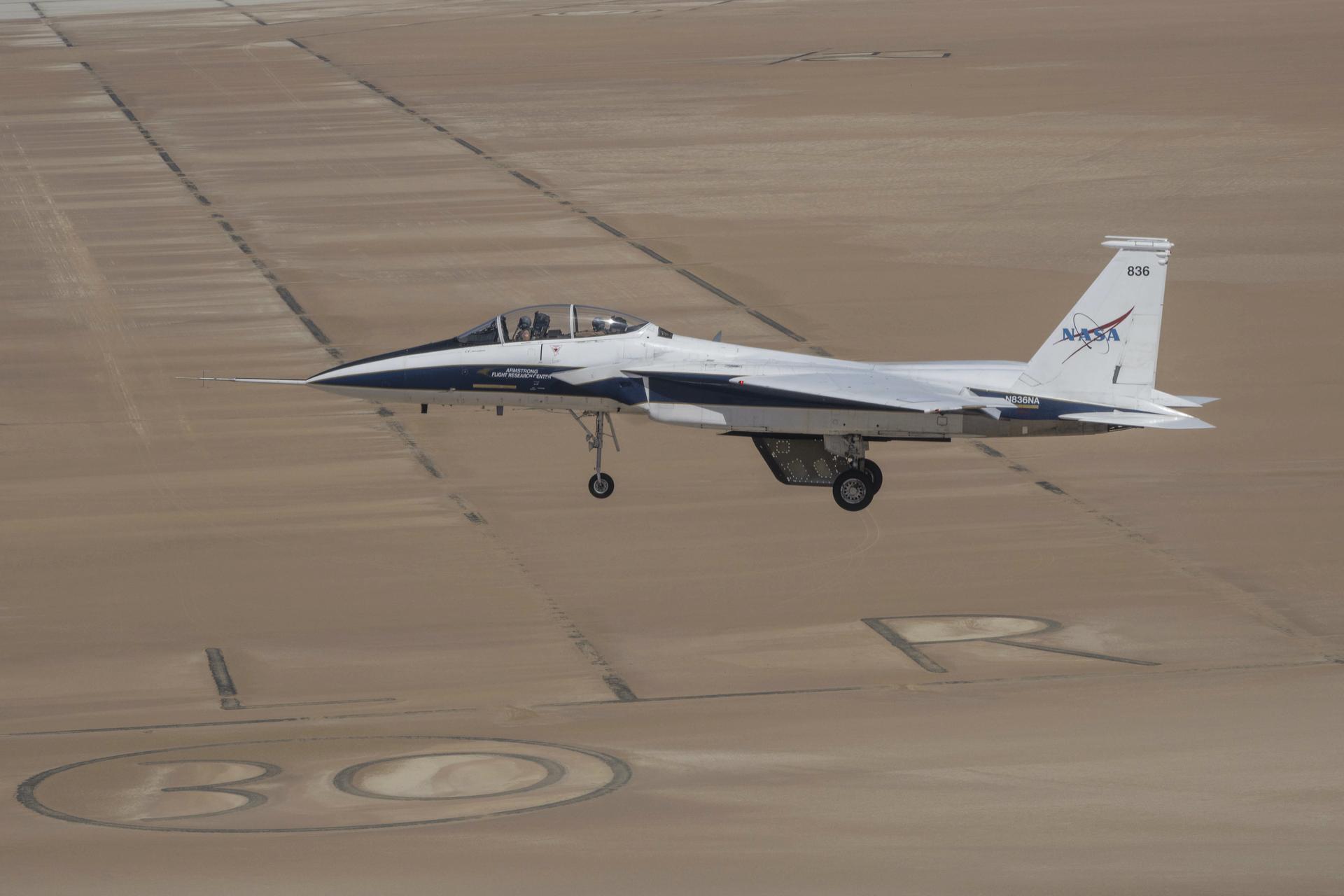
Flight tests are a big part of how NASA turns breakthrough ideas into reality. From flying humans faster than the speed of sound to proving designs that helped shape the space shuttle, flight testing transforms bold concepts into safer, more efficient technologies that benefit the public. “Flight tests are a way to safely and effectively […]
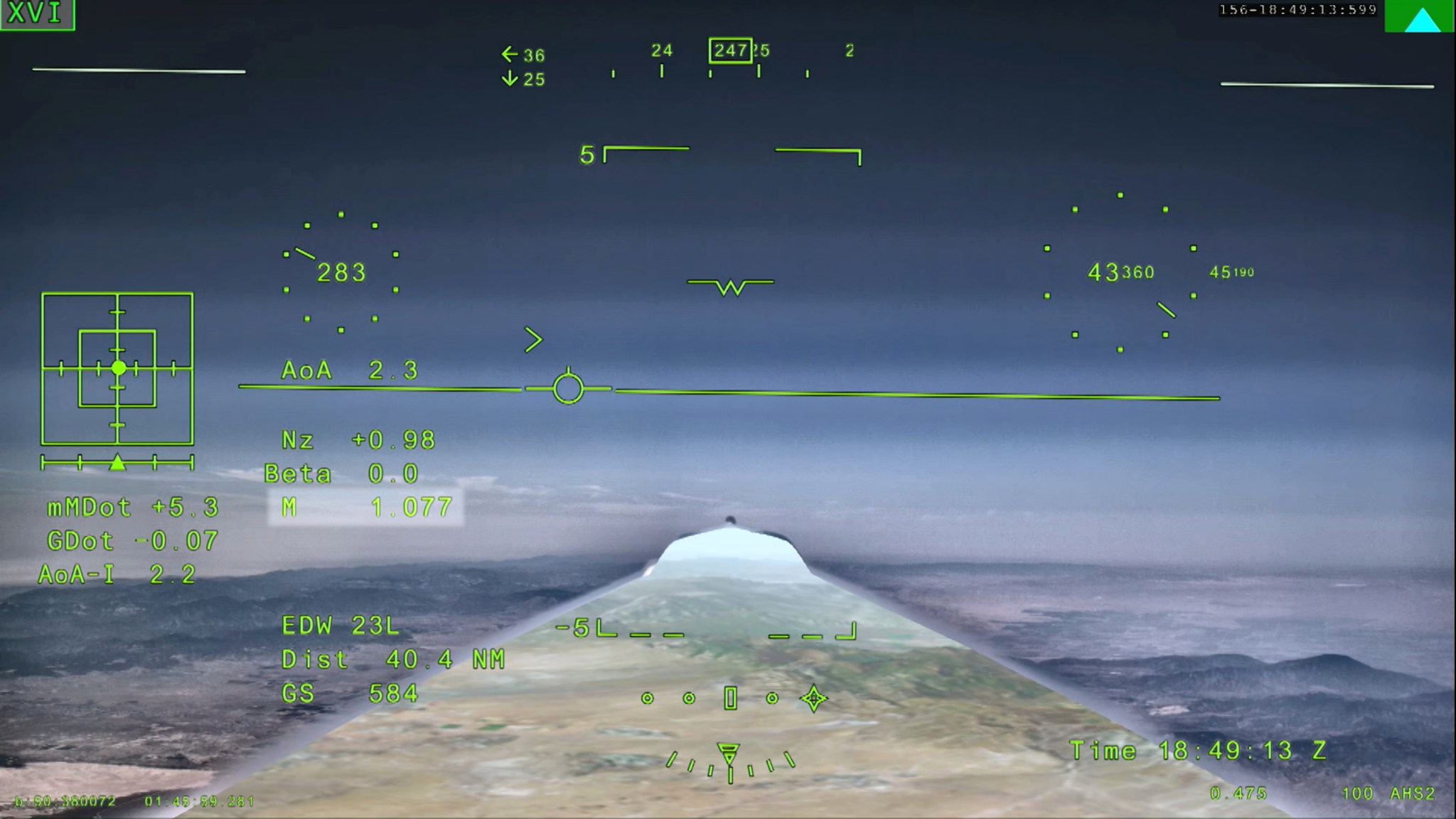
NASA’s experimental X-59 aircraft marked a major milestone Friday, June 5, when it flew faster than the speed of sound for the first time, setting the stage for demonstrating its quiet supersonic capabilities later this year. NASA test pilot Jim “Clue” Less took off and landed at Edwards Air Force Base in California, reaching a top speed of approximately Mach 1.1 (713 mph) and altitude of 43,400 feet. The X-59’s flight began at 11:08 a.m. PDT and lasted 81 minutes, with the team focusing on flying qualities at both subsonic and then […]
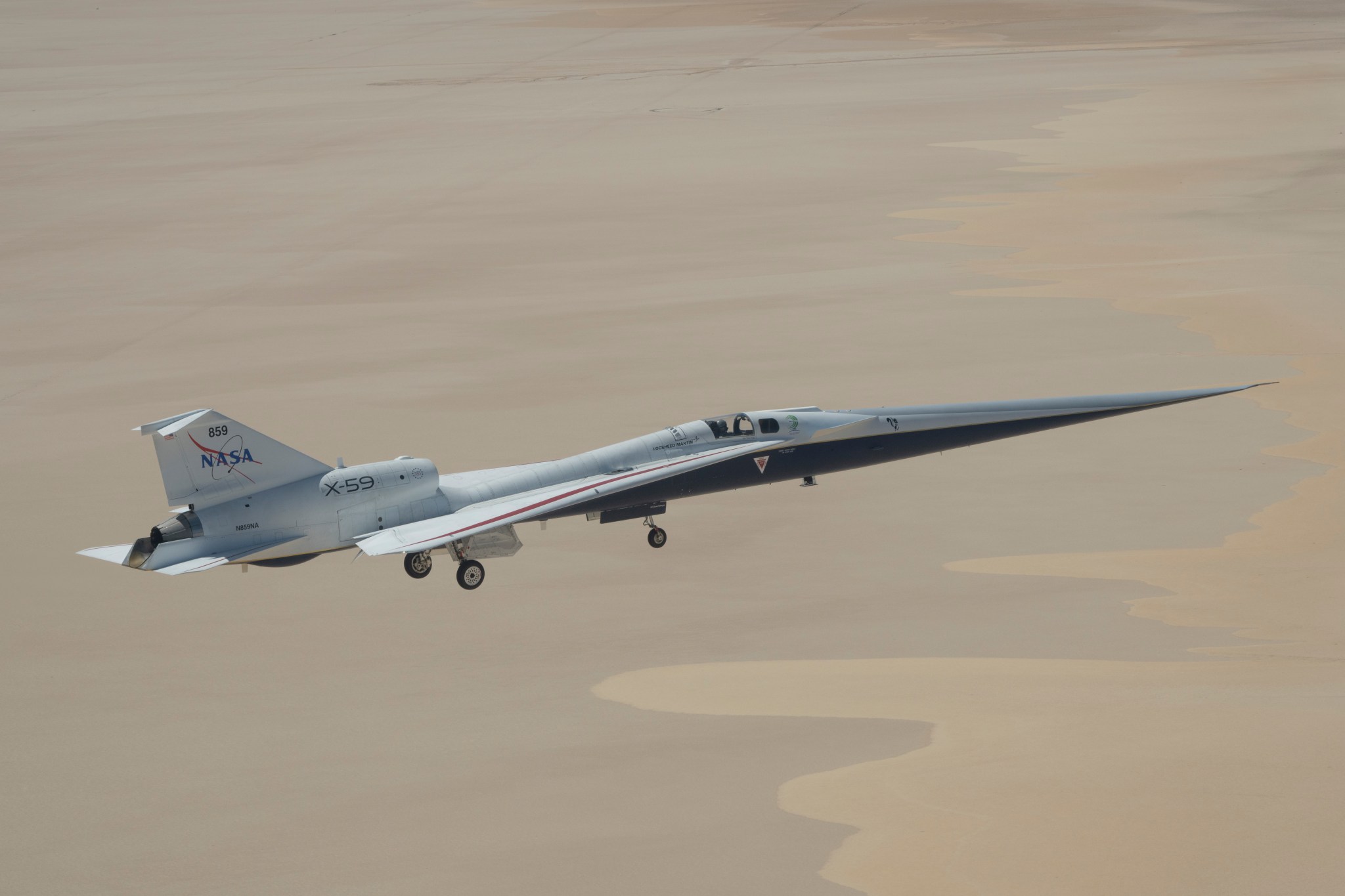
NASA’s X-59 quiet supersonic research aircraft is preparing for some of its most significant flights yet. The X-plane is about to begin a new block of test flights that will include its first time flying faster than the speed of sound and other mission-critical objectives. “What comes next is the first time this one-of-a-kind aircraft […]
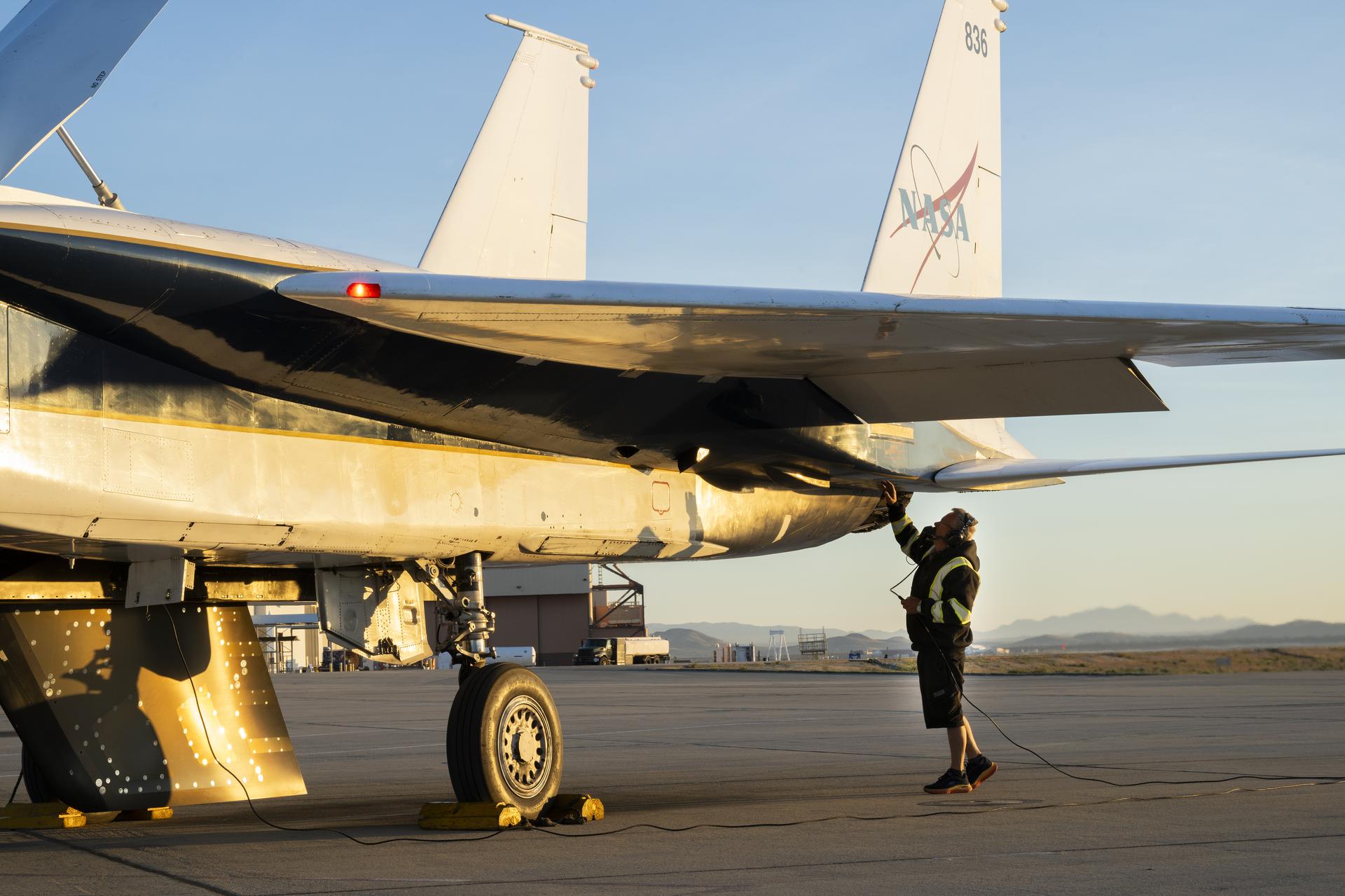
From high‑speed research flights to high‑altitude science campaigns, NASA depends on aircraft that perform at their best and the ground crews who keep them mission ready. At NASA’s Armstrong Flight Research Center in Edwards, California, specially trained maintenance crews are essential to keeping the agency’s aircraft flying safely and reliably. This year, NASA added two […]

NASA announced Friday an agencywide realignment to increase mission focus and move out on the National Space Policy. These changes position the agency to better deliver on the nation’s highest‑priority objectives with speed and efficiency. During the Ignition event in late March, NASA Administrator Jared Isaacman and agency leaders outlined the most pressing objectives to […]
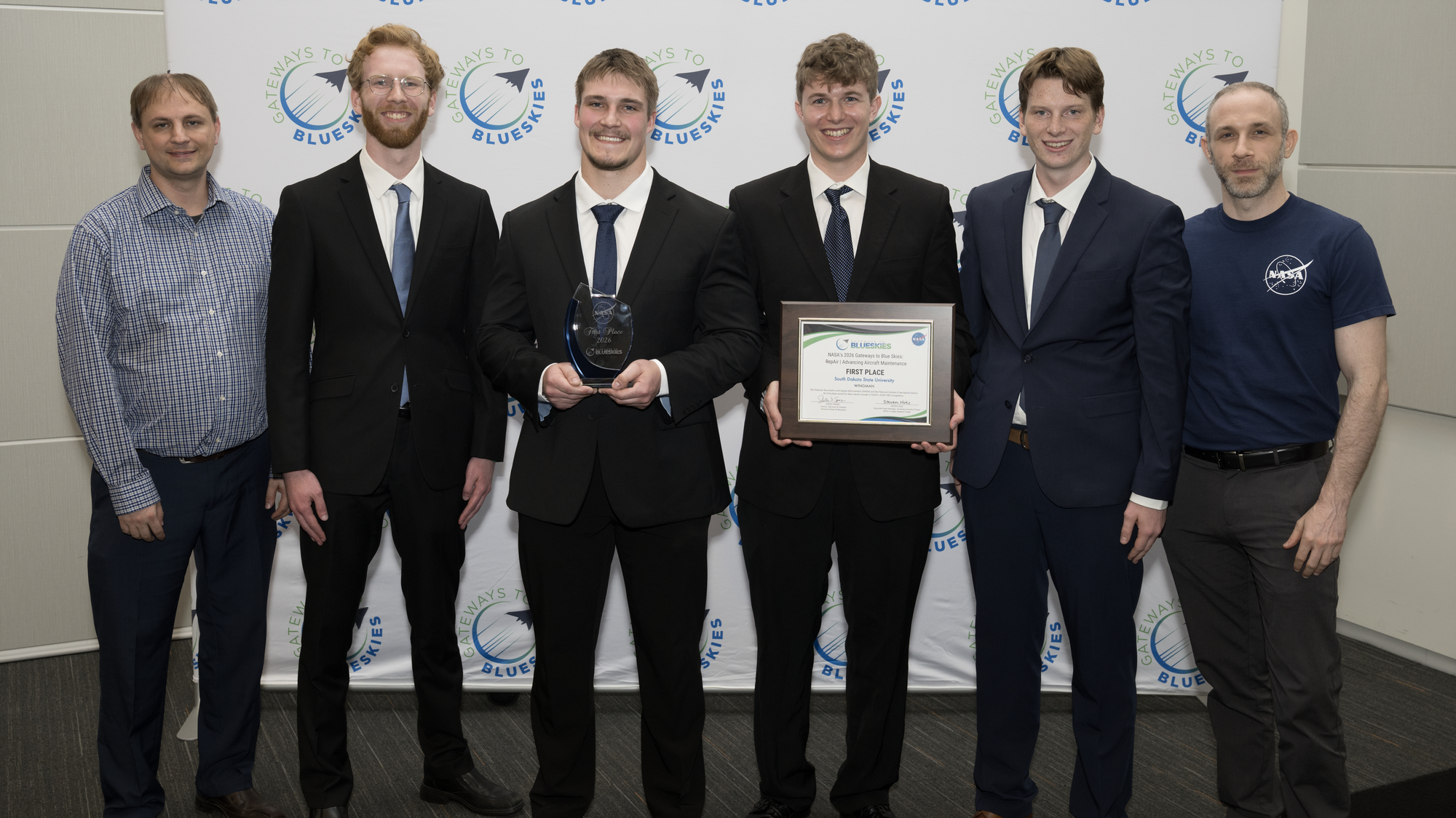
The South Dakota State University team took first place at NASA’s fifth annual Gateways to Blue Skies Competition, which challenged student teams to address a critical element of U.S. aviation: aircraft maintenance. This year’s competition, RepAir: Advancing Aircraft Maintenance, asked teams of postsecondary students to develop innovative systems and practices that could advance commercial aircraft […]
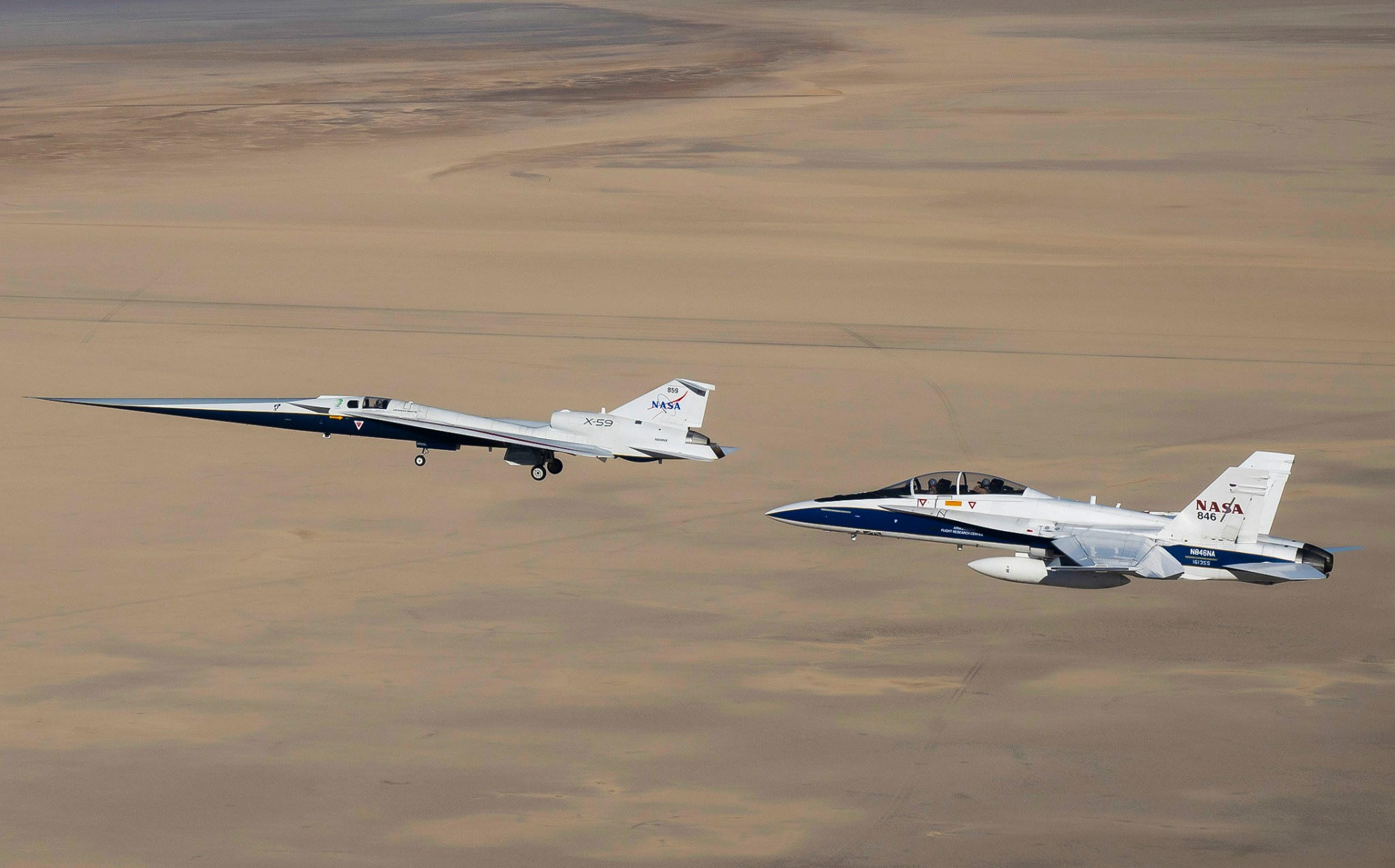
NASA’s home for experimental flight is welcoming more flyers to its already high-performing fleet as it continues to support science and aeronautics test missions – continuing the legacy of pioneers like Neil Armstrong. NASA’s Armstrong Flight Research Center in Edwards, California, added multiple aircraft this year: two F-15s supersonic jets, a Pilatus PC-12 utility plane, […]
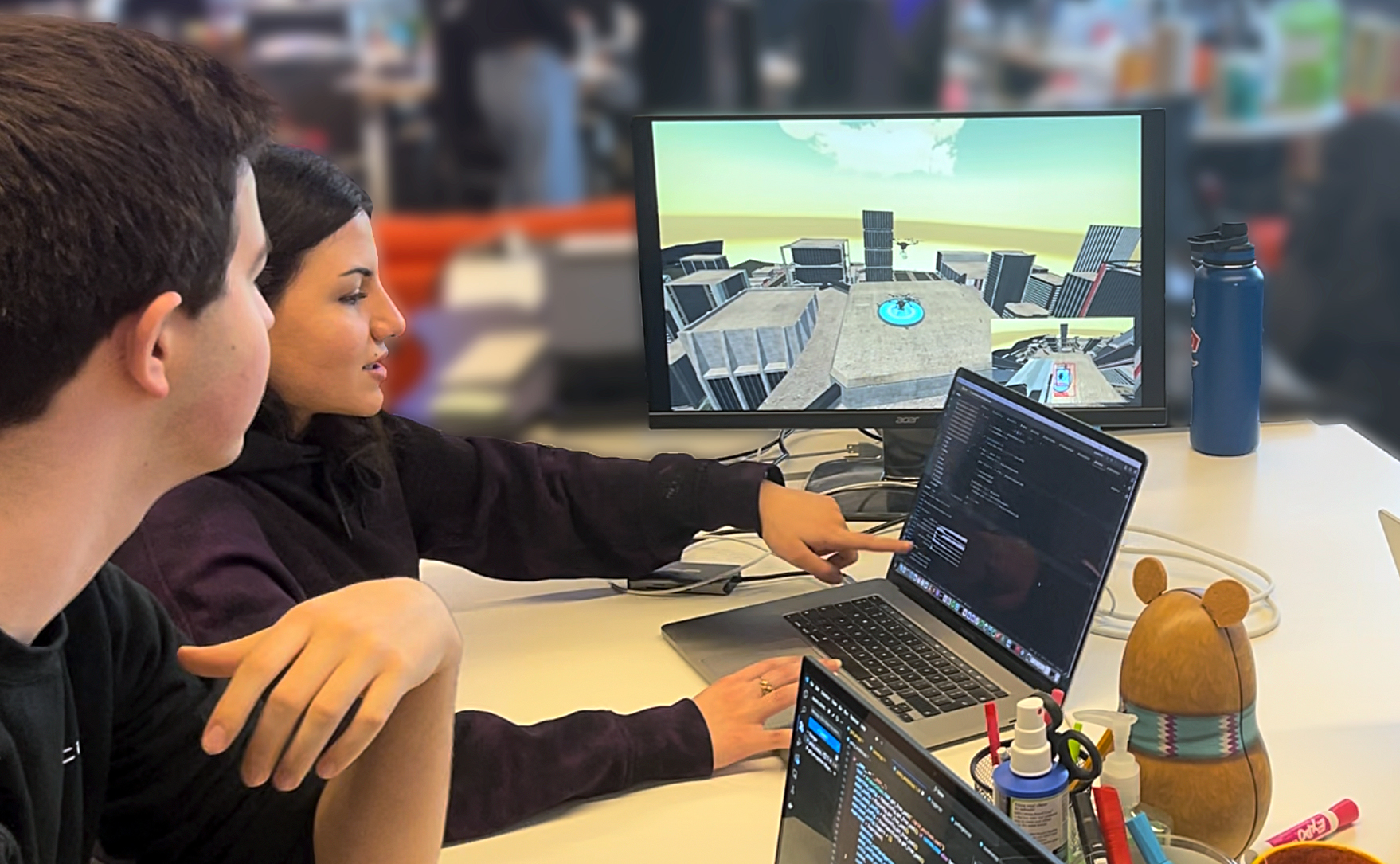
A team of Cornell University students are turning heads within industry and the federal government with the results of their research into creating a national air transportation management system in which thousands of drones could safely operate together. NASA is sponsoring their work through the University Student Research Challenge (USRC), which provides grants to college […]