
A mission to raise the orbit of NASA’s Swift observatory is poised for launch June 30.

A new study of two supernova remnants, the debris left behind after stars explode, suggests the explosions came from stellar siblings that once orbited each other. The first star’s detonation sent its binary companion hurtling through space, and then, after traveling for thousands of years, the surviving star blew up too.
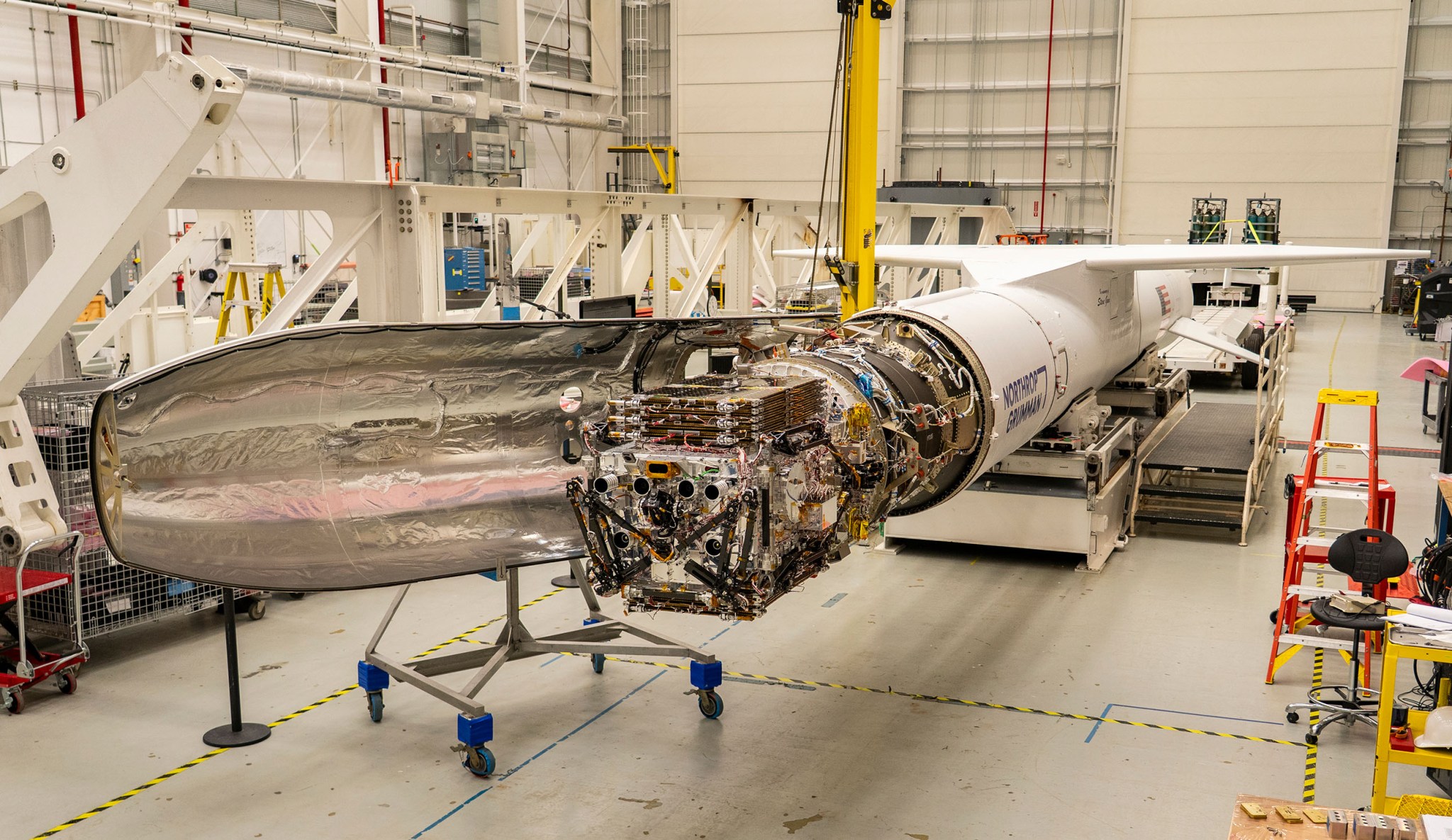
NASA will host an audio-only media teleconference at 11 a.m. EDT, Wednesday, June 17, to preview the Katalyst Space mission to boost the orbit of NASA’s Neil Gehrels Swift Observatory. Katalyst’s robotic servicing spacecraft, called LINK, will attempt to rendezvous with Swift and raise its altitude, extending its science mission lifespan and advancing a key […]
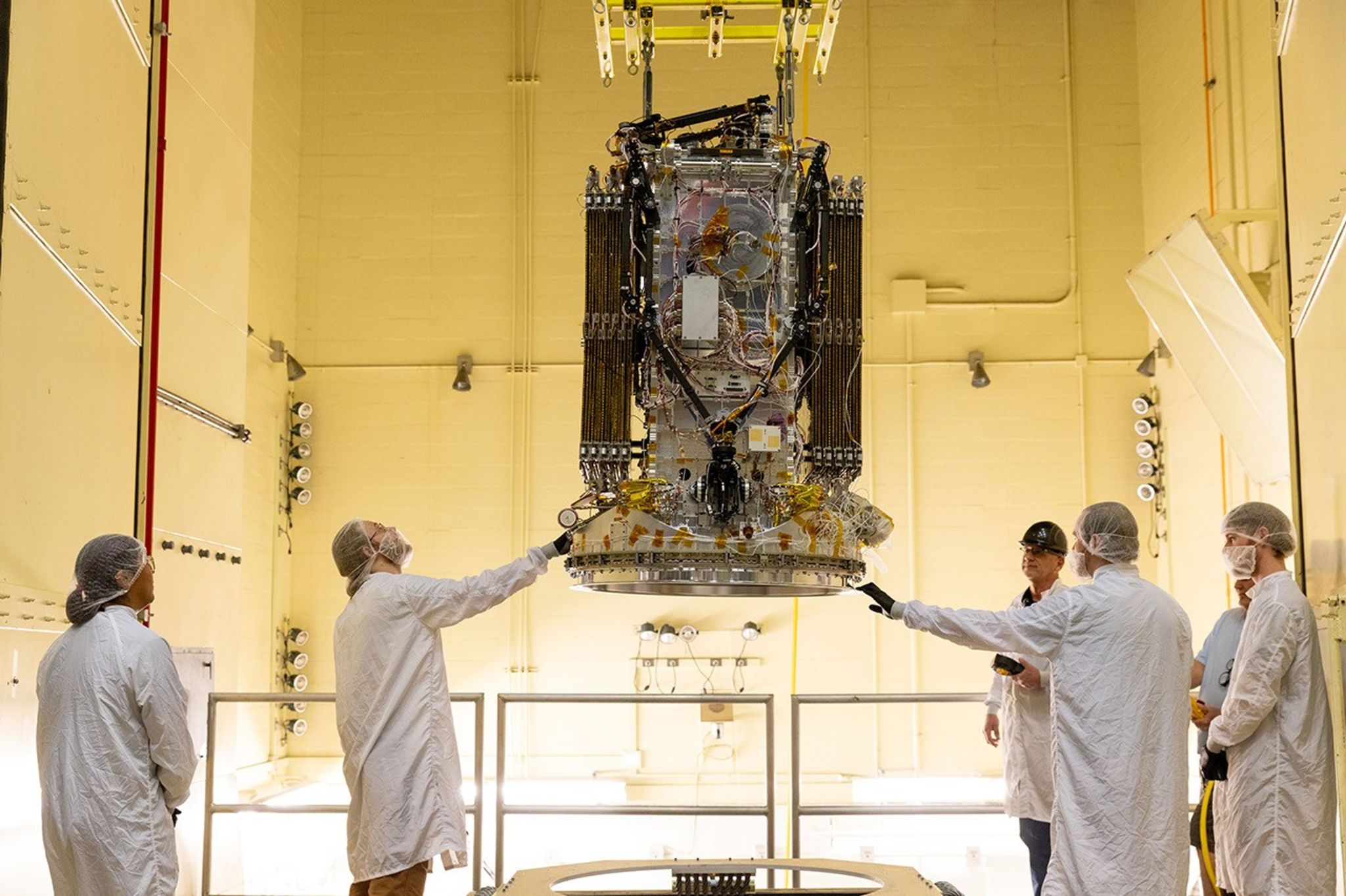
Media are invited to NASA’s Wallops Flight Facility in Virginia on Wednesday, June 17, to view Northrop Grumman’s Pegasus XL rocket, carrying a Katalyst robotic spacecraft that will attempt to boost the orbit of NASA’s Neil Gehrels Swift Observatory. Katalyst’s robotic servicing spacecraft, called LINK, will launch on Pegasus in June to rendezvous with Swift […]
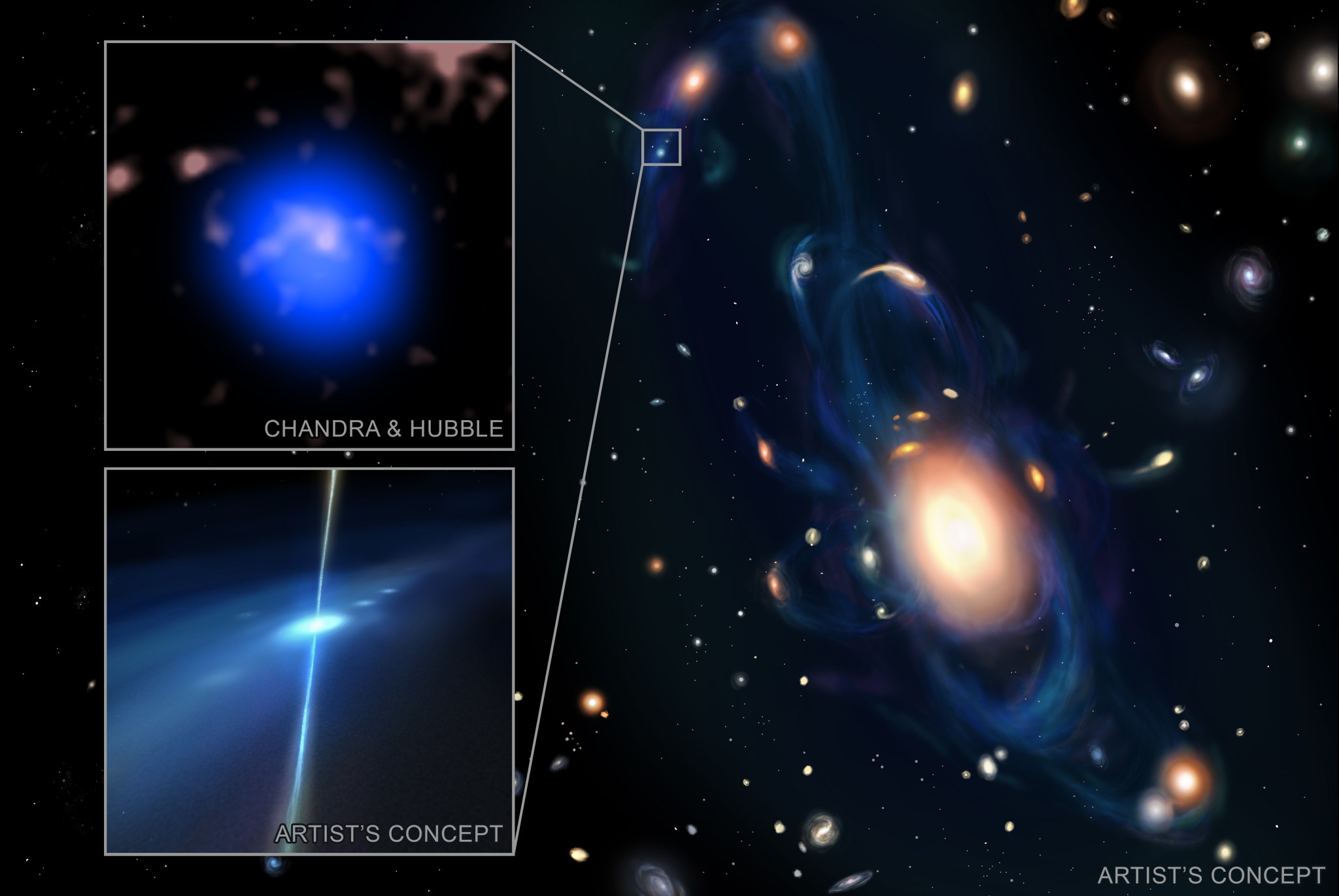
A fleet of NASA missions has likely uncovered a collision between two ultradense stars in a tiny galaxy buried in a huge stream of gas. Astronomers have never seen this type of explosive event in an environment like this before — and it may help solve two outstanding cosmic mysteries. A paper describing these results […]