
The state was unusually dry for much of 2025, but the intensity of the drought has ratcheted up since January 2026.

Patches of open water in the region contributed to low sea ice extent across the Arctic in March 2026, which tied with the lowest maximum observed in the satellite record.
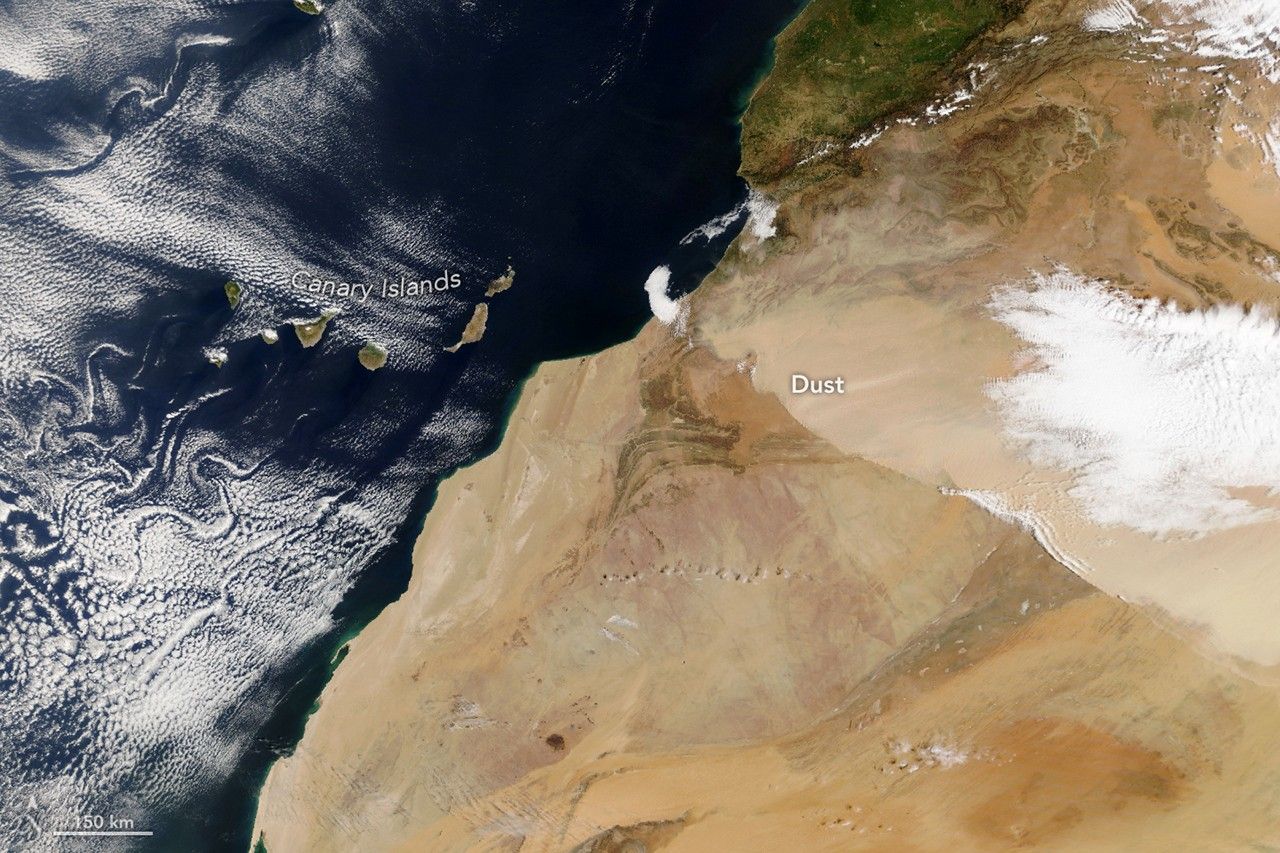
Strong winds in March 2026 carried Saharan dust across northwestern Africa and toward the Canary Islands, reducing visibility and prompting alerts.
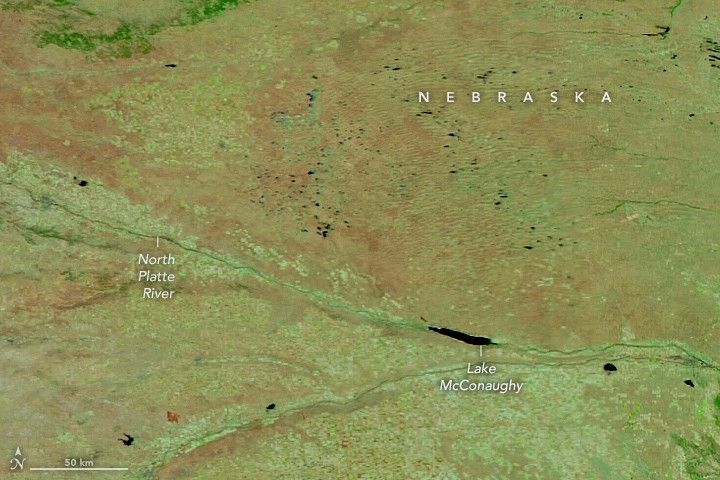
Dry, warm, and windy conditions across the U.S. Great Plains led to extreme fire activity in March 2026.

A network of meltwater lakes and drainage channels made an Antarctic ice shelf known for its blue ice areas even bluer.

The activity of herring around Vancouver Island in British Columbia brightened coastal waters enough to be detectable from space.

Temperatures in several states climbed over 100 degrees Fahrenheit in March 2026, which in some places was the highest March temperature on record.

Back-to-back subtropical cyclones in March fueled destructive flash flooding on several of the Hawaiian Islands.

The powerful storm lashed the northern edge of the continent with damaging winds and drenching rain as it made landfall multiple times.
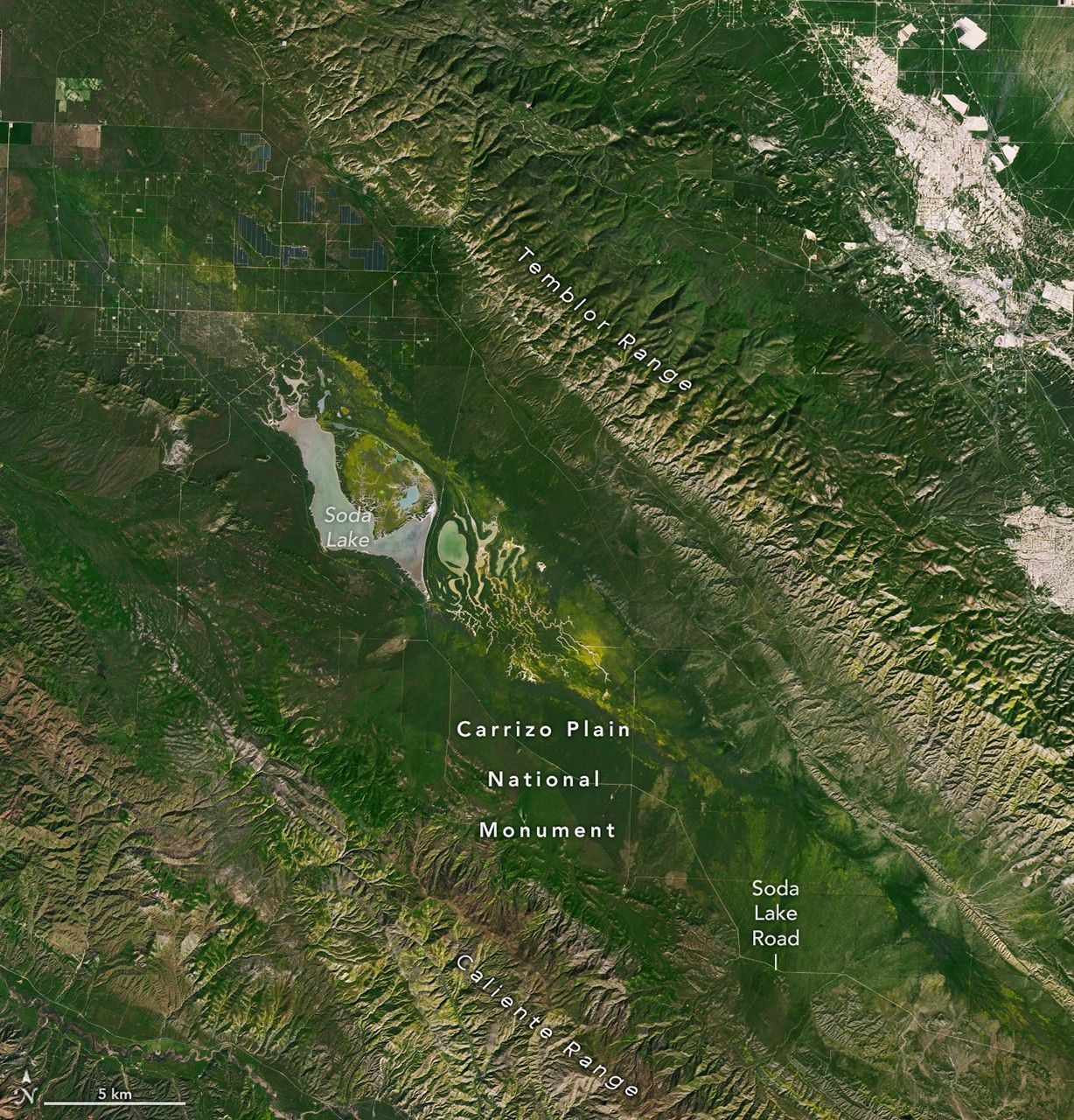
Plains around the San Andreas Fault and across Carrizo Plain National Monument are awash with yellow as wildflowers bloom.