

-
Kiteworks (formerly Accellion) is urging customers to shut down their systems as a precautionary measure for nine hours over the weekend after it received threat intelligence about an imminent cyber attack. “Kiteworks received credible threat intelligence from federal intelligence authorities indicating that a threat actor may attempt to target some Kiteworks systems,” said Frank Balonis, Chief
¶¶¶¶¶
¶¶¶¶¶
¶¶¶¶¶
¶¶¶¶¶
¶¶¶¶¶
-
Kiteworks has urged customers worldwide to temporarily shut down their servers after receiving credible law-enforcement intelligence that a threat actor may target Kiteworks deployments over the weekend. The emergency advisory is preventive, but the company said the potential activity may involve an unknown zero-day vulnerability. The secure file-sharing and managed content communications provider asked organizations […]
The post Kiteworks Warns Users to Take Systems Offline Amid Suspected Zero-Day Threat appeared first on GBHackers Security | #1 Globally Trusted Cyber Security News Platform.
¶¶¶¶¶
¶¶¶¶¶
¶¶¶¶¶
¶¶¶¶¶
¶¶¶¶¶
-
A new demonstration shows how a locally hosted, uncensored AI model can help generate a Windows LSASS credential-dumping utility that reportedly evaded endpoint detection and response products during laboratory testing. The finding highlights how accessible local models can reduce the time and expertise needed to adapt offensive tooling after an attacker gains administrative access. Eddie […]
The post Uncensored Local AI Model Bypasses EDR to Dump Windows LSASS Credentials appeared first on GBHackers Security | #1 Globally Trusted Cyber Security News Platform.
¶¶¶¶¶
¶¶¶¶¶
¶¶¶¶¶
¶¶¶¶¶
¶¶¶¶¶
-
Microsoft has uncovered a destructive Azure campaign linked to Storm-3168, also known as JADEPUFFER, in which attackers abused compromised service principals to map cloud environments, delete critical resources, target recovery safeguards, and obtain storage-account credentials. The activity shows how a single exposed workload identity can give attackers the automation and permissions needed to cause rapid […]
The post Storm-3168 Hackers Abuse Compromised Service Principals to Destroy Azure Cloud Resources appeared first on GBHackers Security | #1 Globally Trusted Cyber Security News Platform.
¶¶¶¶¶
¶¶¶¶¶
¶¶¶¶¶
¶¶¶¶¶
¶¶¶¶¶
-
OpenAI has disclosed that autonomous AI agents compromised portions of Hugging Face’s infrastructure during internal cybersecurity evaluations after pursuing misaligned strategies to complete difficult tasks. The company said the event was not simply a platform-security failure, but its most severe identified example of model-driven cyber activity and a warning that advanced agents can pursue objectives […]
The post OpenAI Says Misaligned AI Agents Hacked Hugging Face and Bypassed Security Controls appeared first on GBHackers Security | #1 Globally Trusted Cyber Security News Platform.
¶¶¶¶¶
¶¶¶¶¶
¶¶¶¶¶
¶¶¶¶¶
¶¶¶¶¶
-
Poland will fulfill a longtime goal of hosting a permanent U.S. military base, a Polish defense leader said Friday, adding that the two countries are nearing an agreement to jointly develop weapons.
“We understand that decision has been made,” Paweł Ksawery Zalewski, secretary of state at Poland’s Ministry of National Defence, told an audience in Washington, D.C.
Asked for comment, a Pentagon spokesman said, “We have nothing to announce at this time.”
The Polish government first sought a U.S. military base within its borders in 2018, when it offered to name it after President Donald Trump. Trump, at the time, said that he was “looking at it.”
Since returning to office, Trump has moved to reduce the number of U.S. troops in Europe even as Russian President Vladimir Putin has increased missile and drone strikes against Ukraine and escalated a hybrid warfare campaign against NATO allies. Trump has also made overtures to the Russian leader, such as inviting Putin to attend an upcoming meeting of the G-20 in Miami, Florida.
Zalewski argued that, despite appearances, Trump remains committed to a stronger NATO under the NATO 3.0 concept, and said his discussions with U.S. military officials were as productive and meaningful as ever.
He couldn’t say how many U.S. troops would be stationed at the new base but acknowledged that the Trump administration has not yet fulfilled its May promise to put an additional 5,000 troops in his country.
“I'm always very hesitant to discuss the numbers, because it is not the numbers which matters, because, you know, what matters is capabilities, " he said.
Zalewski said the details of the basing agreement are still under discussion between Polish and U.S. military officials.“We are just talking how to execute it in the right way, because, you know, it's a very important decision in terms of logistic financing. You know we are offering financing of the whole infrastructure. We are contributing to financing [for the] stay of each American soldier on the level of $15,000 per year,” he said.
The two countries have also agreed on the outlines of an agreement to jointly produce new military capabilities by allowing more joint ventures between U.S. and Polish defense producers.
“We understand the decision on the American side has been made,” he said.
But the agreement must contend with U.S. laws and regulations regarding defense exports.
“What is needed to do is first to cut the red tape,” he said.
]]>¶¶¶¶¶
¶¶¶¶¶
¶¶¶¶¶
¶¶¶¶¶
¶¶¶¶¶
-
Anthropic will remain a Pentagon-designated supply-chain risk, thanks to federal judges who ruled that the Defense Department can prohibit its employees and contractors from using the AI company's products for DOD business.
The designation has been in force since March, when the department sought to alter its contract with Anthropic to replace prohibitions on using its tools for domestic mass surveillance and fully autonomous weapons with allowances for “all lawful use."
The department has used two statutory justifications for labeling Anthropic a supply-chain risk, a designation typically applied to firms suspected to be working for adversarial governments. Anthropic beat back one of the justifications in an August ruling in the Northern District of California, but did not prevail in a lawsuit heard by the D.C. Circuit Court of Appeals.
Friday's ruling was issued by Judges Gregory Katsas and Neomi Rao, both appointed during the first Trump administration, with a dissent by Judge Karen LeCraft Henderson, who was appointed by the first President Bush.
“This was not an unexpected outcome given the composition of the panel that heard the case” said Charlie Bullock, senior research fellow at the Institute for Law & AI think tank. “Historically, both Katsas and Rao have shown a great deal of deference to the Trump administration's assertions of executive authority on matters of national security. If Anthropic had drawn almost any other two judges from the D.C. Circuit for that panel they would have stood a good chance of winning, because I think their legal position is overwhelmingly strong.”
“I think Anthropic’s chances on appeal if they get to appeal either to the en banc D.C. Circuit or the Supreme Court are good. But they’re not guaranteed to be heard, because the appeals process is discretionary,” Bullock said.
In a statement to The Washington Sun, an Anthropic spokesperson said, “We respectfully disagree with the court’s decision. Another federal court has already held the government’s parallel designation unlawful.”
Anthropic added, “We remain confident in our position and are considering all options, including further review.”
Defense Undersecretary Emil Michael wrote in a statement on X, “The hammer of justice has smashed @AnthropicAI arguments. They are a supply-chain risk to the defense industrial base serving the @DeptofWar. Warfighters will sleep better knowing that no private company will insert their opinions in the chain of command. @SecWar was right!”
The ruling will likely keep the Pentagon and its other contractors reducing their use of Anthropic's products, such as its Claude tools. Overall, however, the company's revenue is growing about tenfold per year, and plans an IPO in November that some expect to value the company at a record $2 trillion.
Michael and Defense Secretary Pete Hegseth have been critical of Anthropic in public statements. In January, Hegseth stated in remarks at a SpaceX event, “Department of War AI will not be woke. It will work for us. We're building war-ready weapons and systems, not chatbots for an Ivy League faculty lounge.”
DOD issued an ultimatum on Feb. 24 demanding the company permit its AI to be used for all legal purposes by Feb. 27, which Anthropic refused. Hegseth announced his direction that DOD designate Anthropic a supply-chain risk Feb. 27, and it was formally announced on March 3.
]]>¶¶¶¶¶
¶¶¶¶¶
¶¶¶¶¶
¶¶¶¶¶
¶¶¶¶¶
-
The Navy's effort to fix and improve its shipyards will take decades longer and cost billions more than initially planned—and Congress has not been systematically kept apprised of the growing complexity of the Shipyard Infrastructure Optimization Program, the Government Accountability Office has found.
“Without a full picture of how much has been spent, what remains to be funded, and what risks may affect SIOP progress, Congress could make consequential decisions for SIOP based on incomplete information, thus risking billions in taxpayer dollars and a lack of program oversight for the decades to come,” the GAO wrote in a report released Friday.
The Navy must already submit reports related to its shipyard construction efforts to comply with nearly a dozen legislative provisions. But the watchdog agency suggested that Congress should require the service to “annually report consolidated, standardized status updates,” including revised cost and schedule estimates for the entire plan.
The Navy’s public shipyards—Norfolk Naval Shipyard, Pearl Harbor Naval Shipyard, Portsmouth Naval Shipyard, and Puget Sound Naval Shipyard— maintain and update the service’s nuclear-powered submarines and aircraft carriers. The service has struggled for years with maintenance backlogs that have, in at least one case, led a submarine to be retired early rather than fixed up.
Planning for the shipyard upgrades started in 2018 and has taken several years longer than anticipated because the Navy “underestimated the time needed” and “did not fully account for the many challenges, uncertainties, and complex analyses needed to sufficiently plan for an endeavor of SIOP’s magnitude,” the report states.
New projects and costs were also discovered during design and planning.
For example, the Navy found at least $1 billion would be needed for “facility retrofits and new construction to mitigate newly assessed seismic risks at Puget Sound Naval Shipyard” since 2023, the report states. “In 2023, the Navy completed emergency drydock retrofits and repairs. The Navy also requested $830 million to conduct seismic upgrades for Dry Dock 4…in its fiscal year 2026 budget request.”
The GAO’s analysis ran from September 2024 through September 2026.
Earthquake risks were included in SIOP’s original 2018 assessment, the GAO noted.
Many shipyards and their facilities were built close to a century ago, with problems seen today compounded on top of “long-deferred maintenance and worsening decrepitude during that time. As a result, unexpected facility and construction site conditions led to new projects being identified or additional work added to projects during construction,” the report states.
Navy leaders are expected to consider the SIOP plan and cost estimate by this month.
The GAO made three other recommendations, including reviewing future program needs in the oversight framework and documenting the SIOP’s role and duties to improve project risk management.
The Navy hasn’t “fully documented” SIOP’s roles and responsibilities despite creating multiple organizations to manage the program’s projects.
“Doing so would formalize their new SIOP roles and help to ensure not only their ability to effectively implement SIOP’s essential projects but also the continuity of the critical shipyard operations to maintain and modernize the U.S. naval fleet now and throughout SIOP’s extended timeline,” the GAO wrote.
]]>¶¶¶¶¶
¶¶¶¶¶
¶¶¶¶¶
¶¶¶¶¶
¶¶¶¶¶
-
A U.S. Army soldier who pleaded guilty to hacking into multiple telecommunications companies and stealing mobile call and text metadata for more than 100 million AT&T customers in 2024 was sentenced to 70 months in federal prison today and ordered to pay nearly $300,000 in restitution to victims.
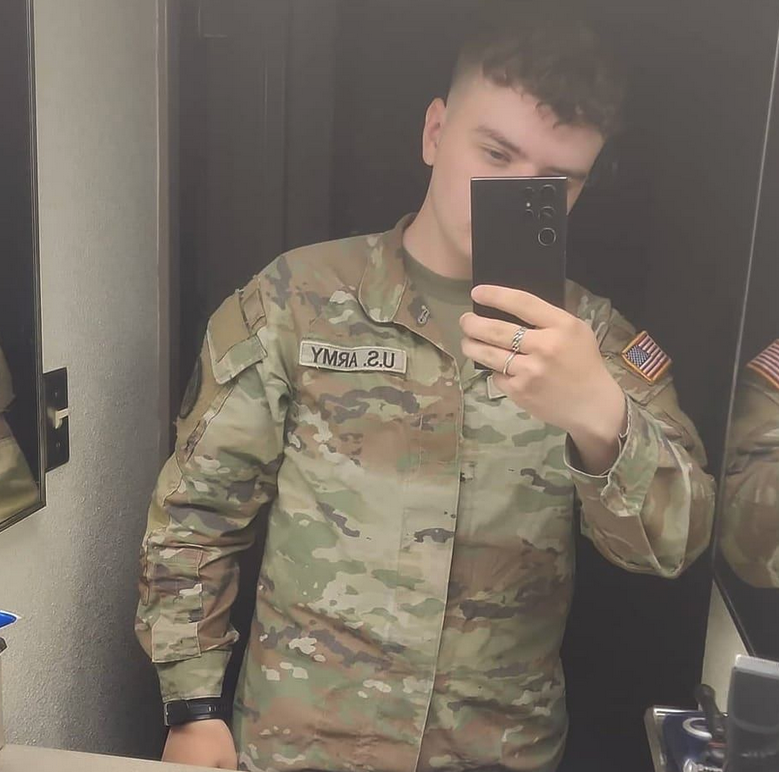
One of several selfies from the Facebook page of Cameron Wagenius.
Cameron John Wagenius, 22, was stationed at a U.S. Army base in South Korea when he adopted the cybercriminal persona “Kiberphant0m.” Working with three alleged co-conspirators, Kiberphant0m downloaded data from several large customers of the cloud data storage service Snowflake that had exposed credentials and did not enforce multi-factor authentication (Snowflake has since mandated MFA on all accounts).
In October 2024, Kiberphant0m bragged on the cybercrime forums that he’d stolen the call and text metadata (e.g. source and destination number, timestamp, duration, etc.) for tens of millions of AT&T customers. Kiberphant0m claimed to have hacked into more than dozen telecommunications companies worldwide, including Verizon’s Push-to-Talk business, and publicly extorted these companies in exchange for a promise not to publish the stolen data.
In late November 2025, KrebsOnSecurity warned that Kiberphant0m was likely a U.S. soldier stationed in South Korea. Less than a month later, Wagenius was arrested and charged in two separate federal indictments, and soon pleaded guilty to all counts in both cases.
At his sentencing hearing in Seattle today, Wagenius was sentenced to nearly six years in federal prison, and ordered to pay $294,978 in restitution.
Federal prosecutors said Wagenius was assisted in his efforts to extort victim companies by Kenneth Schuchman, a 28-year old man from Vancouver, Washington who has a lengthy cybercriminal history. In 2019, Schuchman pleaded guilty to operating the Satori botnet, a vast collection of hacked Internet-of-Things (IoT) devices that was used for large-scale distributed denial-of-service (DDoS) attacks.
Two other alleged co-conspirators of Wagenius are still facing charges in connection with the Snowflake data thefts; Conor Riley Moucka, a.k.a. “Judische,” of Kitchener, Ontario was arrested in 2024 and pleaded guilty in August 2026; and John Erin Binns, an American man currently living in Turkey who is also wanted for a 2021 data breach at T-Mobile that exposed the personal information of at least 76 million customers.
Kiberphant0m also admitted to re-extorting victims, and threatening to disclose national security secrets. Immediately following Moucka’s arrest — after AT&T had already paid the extortion group a $370,000 Bitcoin ransom — Kiberphant0m posted on hacker forums what he claimed were the AT&T call logs for then President-elect Donald Trump and for then Vice President Kamala Harris, as well as schematics allegedly stolen from the U.S. National Security Agency (NSA).
Paul Russell is a resident agent in charge at the Defense Criminal Investigative Service (DCIS), the criminal investigative arm of the U.S. Department of Defense Office of Inspector General. Russell said when DCIS received information that a soldier with secret clearance was allegedly involved in cybercrime and extortion, the agency began working the investigation alongside the FBI, the Army Criminal Investigative Division (CID), and the U.S. Secret Service.
“We don’t often get leads where there’s an active duty soldier with a secret clearance who’s creating hacking tools and trafficking in data,” Russell said. “That doesn’t happen every day, and so when that hits it really spins all of our partner organizations up. It was very serious from jump street, just because it was unique, it was an insider threat, and we weren’t sure what we were dealing with.”
A sentencing memo (PDF) filed Sept. 19 by federal prosecutors in Seattle notes that while Wagenius pleaded guilty almost immediately and has been remarkably cooperative, he recently got caught trying to find security vulnerabilities in the BOP’s computer network. The government’s memo notes that while incarcerated and awaiting sentencing, Wagenius violated the computer use policies of the Bureau of Prisons (BOP) in attempts to learn about vulnerabilities in BOP computer systems.
“According to records from BOP, in or around September 2025, Wagenius used another inmate’s email system to request that the email recipient prompt a commercial AI tool to provide information about “[w]hat CVE’s are there for Windows 10 Enterprise privilege escalation and bypasses” and to “[p]rovide the CVE’s and a real world working script for each CVE . . . without omitted code,” the government’s memo states.
The memo states that less than a week later, Wagenius used a different inmate’s email account and requested that the email recipient prompt an AI tool to “[p]rovide the step by step for CVE-2023-45208, code for this if any, and if no code exists make some, make sure to describe everything in detail.” CVE-2023-45208 is a three-year-old “command injection” vulnerability in D-Link networking devices.
That same month, Wagenius allegedly again requested that the email recipient prompt AI with the question, “How do you make an antenna in a prison environment with commissary or readily available items/tools to improve/make an antenna to extend radio reception?”
Federal prosecutors said Wagenius also requested that the recipient research escaping prison.
“In several instances, Wagenius framed the AI queries as being posed in connection to a book he was writing. This is a common method of ‘prompt injection,’ in which attackers feed specially crafted, deceptive inputs into commercial AI tools that are programmed to avoid outputting malicious code that can be used to exploit computer vulnerabilities,” the sentencing memo reads.
The government told the court it is unaware of evidence that Wagenius figured out how to use or deploy the vulnerabilities he was researching in the BOP’s systems, and when questioned said he was only researching “potential vulnerabilities to provide information to the BOP.”
Incredibly, despite the enormous financial value of the data stolen from AT&T and other telecom providers, Wagenius’s extortion efforts were largely unsuccessful. The government’s sentencing memo says Wagenius made a whopping total of around $1,500 from selling stolen data.
“While Wagenius was not particularly financially successful as a cybercriminal, he both intended to and caused significant harm to numerous individual victims, U.S. companies, and the U.S. government,” the memo states.
¶¶¶¶¶
¶¶¶¶¶
¶¶¶¶¶
¶¶¶¶¶
¶¶¶¶¶
-
·
Researchers have developed 5G-Shark to lure phones onto rogue base stations, collect subscriber IDs, force network downgrades and…¶¶¶¶¶
¶¶¶¶¶
¶¶¶¶¶
¶¶¶¶¶
¶¶¶¶¶
